
FERNÁNDEZ VAGLIO · CONSTRUCTION SOLUTIONS
Drinking water treatment and desalination plants
Infrastructure for water intake, treatment and conveyance.
Ask about your project →We build works that connect intake, treatment and distribution. The drinking water treatment process is selected according to source water quality and intended use; the infrastructure must integrate it into an operational network.
Drinking water treatment
The works can integrate intake, pumping, treatment and conveyance. Our project archive includes the system developed to supply San Ramón and Palmares, with intake infrastructure, pumping, a treatment plant and pipelines.
Desalination plants
Desalination reduces the salts present in seawater or brackish water. Reverse osmosis uses membranes as part of the treatment, together with pretreatment and conditioning stages.
PROJECT · PINILLA, COSTA RICA
Pinilla
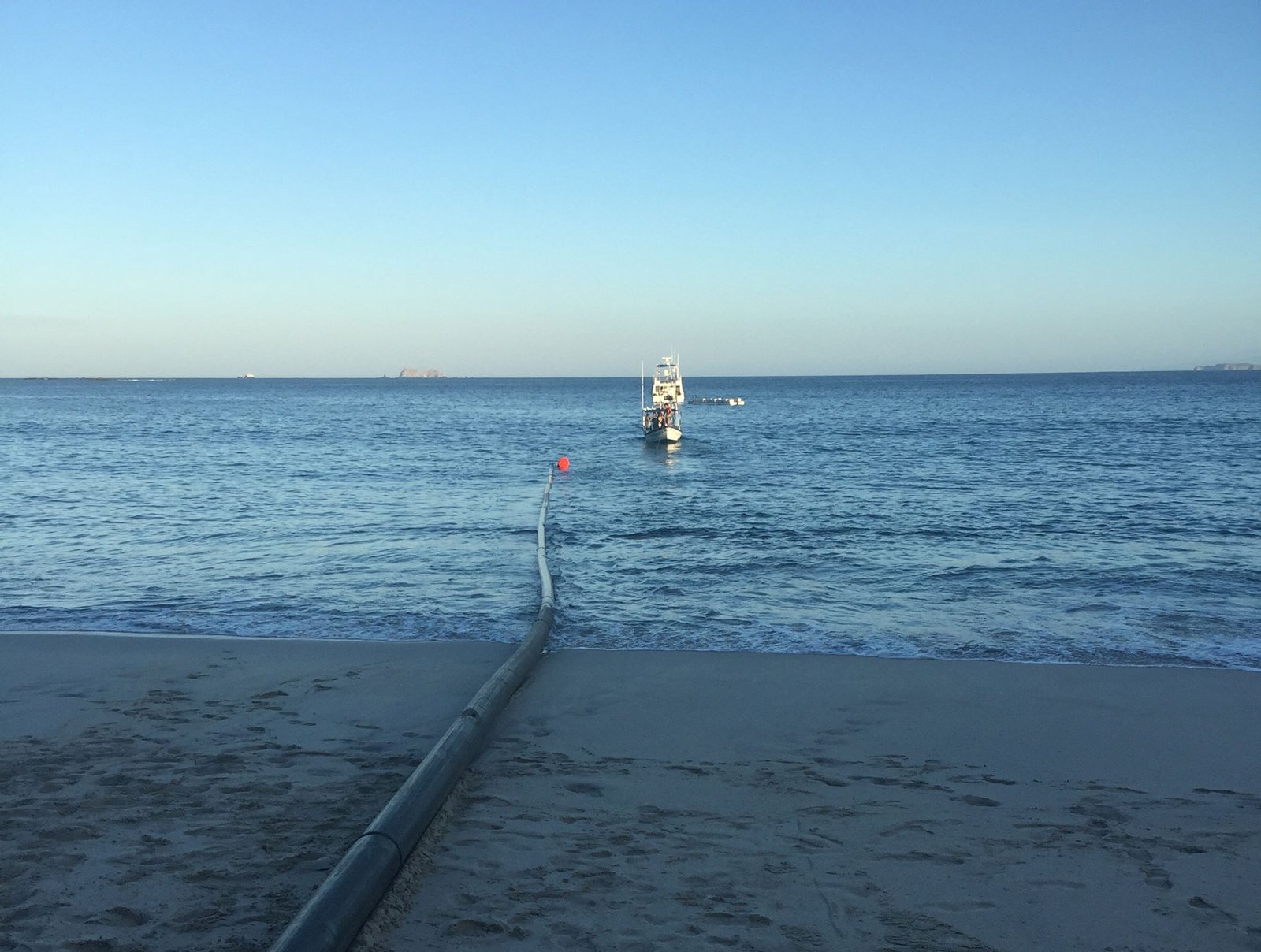
Infrastructure for the Pinilla desalination plant: onshore storage and three HDPE pipelines beneath the seabed.
Storage and pipelines for desalination
The Pinilla project combines a 2,500 m³ glass-fused-to-steel tank, equivalent to 2.5 million liters of storage, with three pipelines installed beneath the seabed, reaching lengths of up to 1,900 meters and using 450 mm diameter high-density polyethylene (HDPE) pipe. This infrastructure brings together the storage works and pipelines associated with the desalination plant.
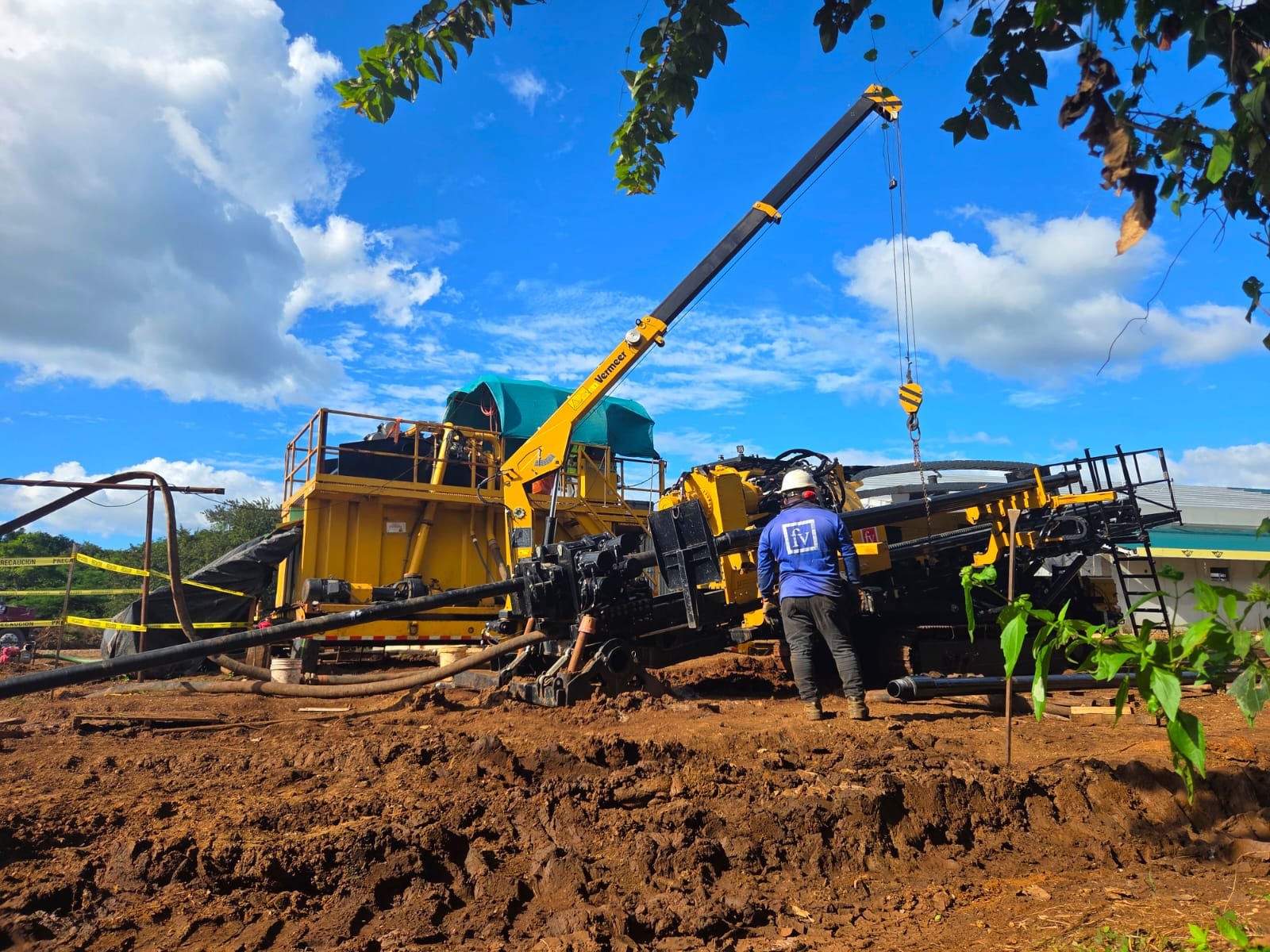
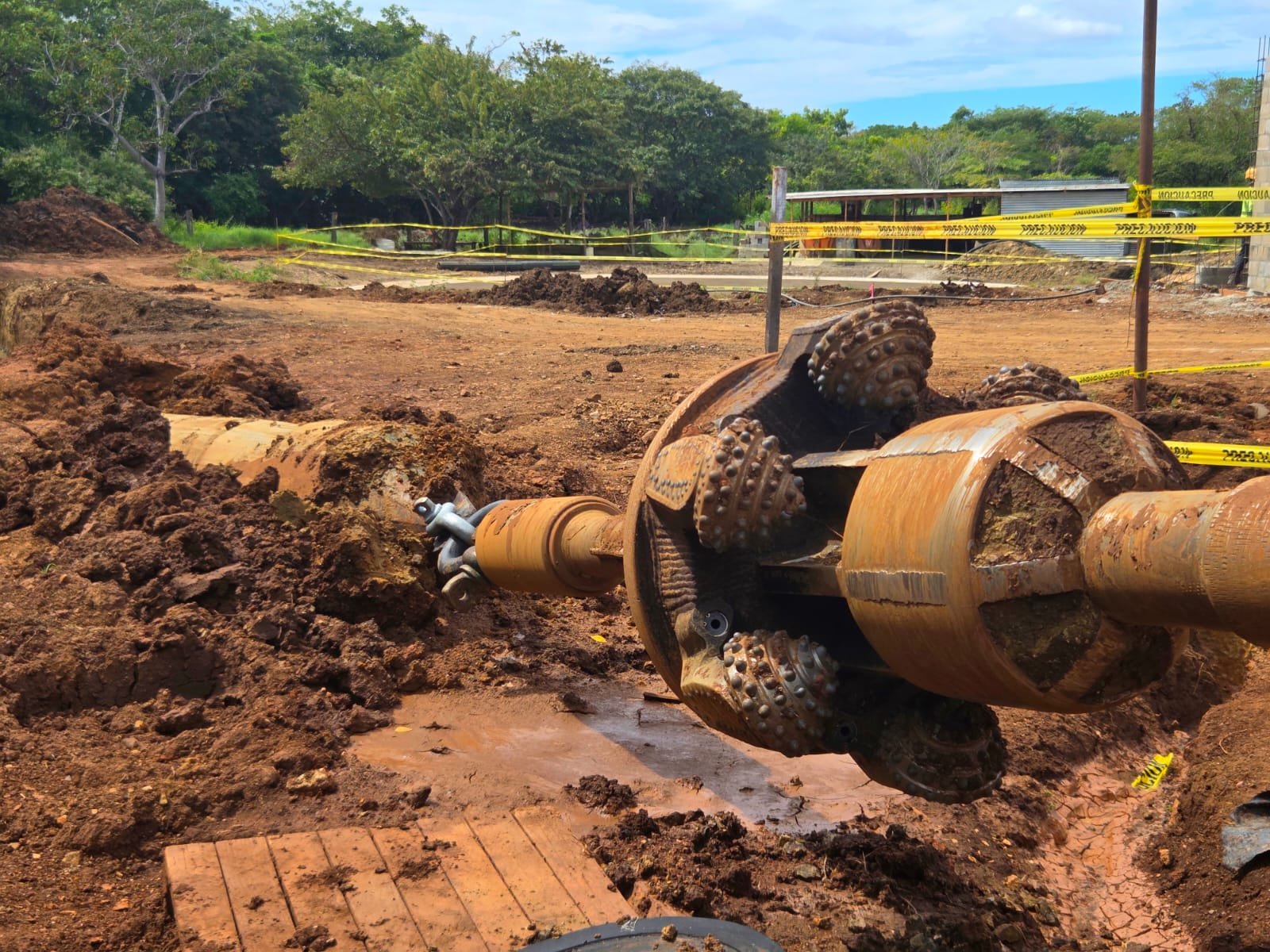
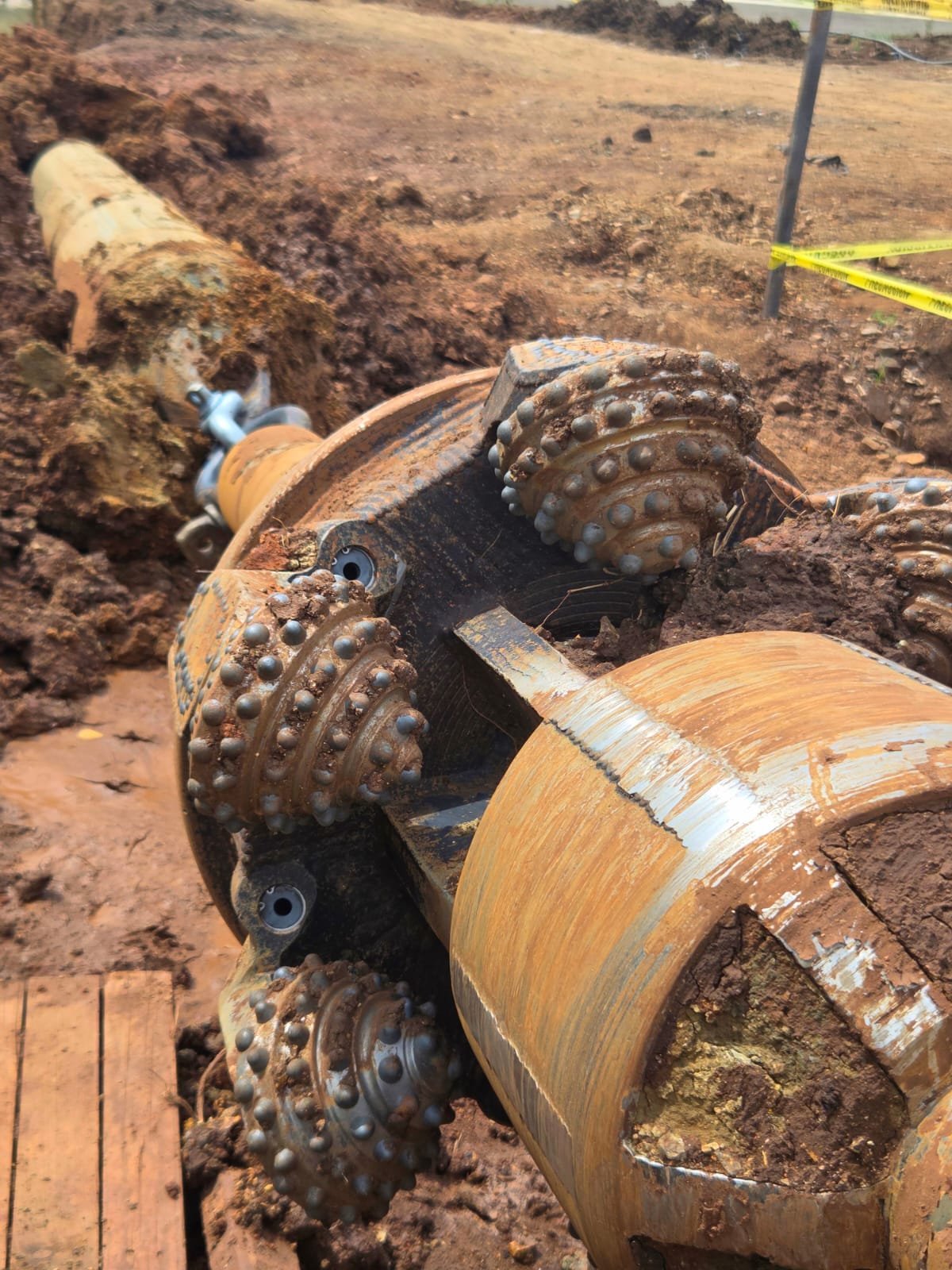
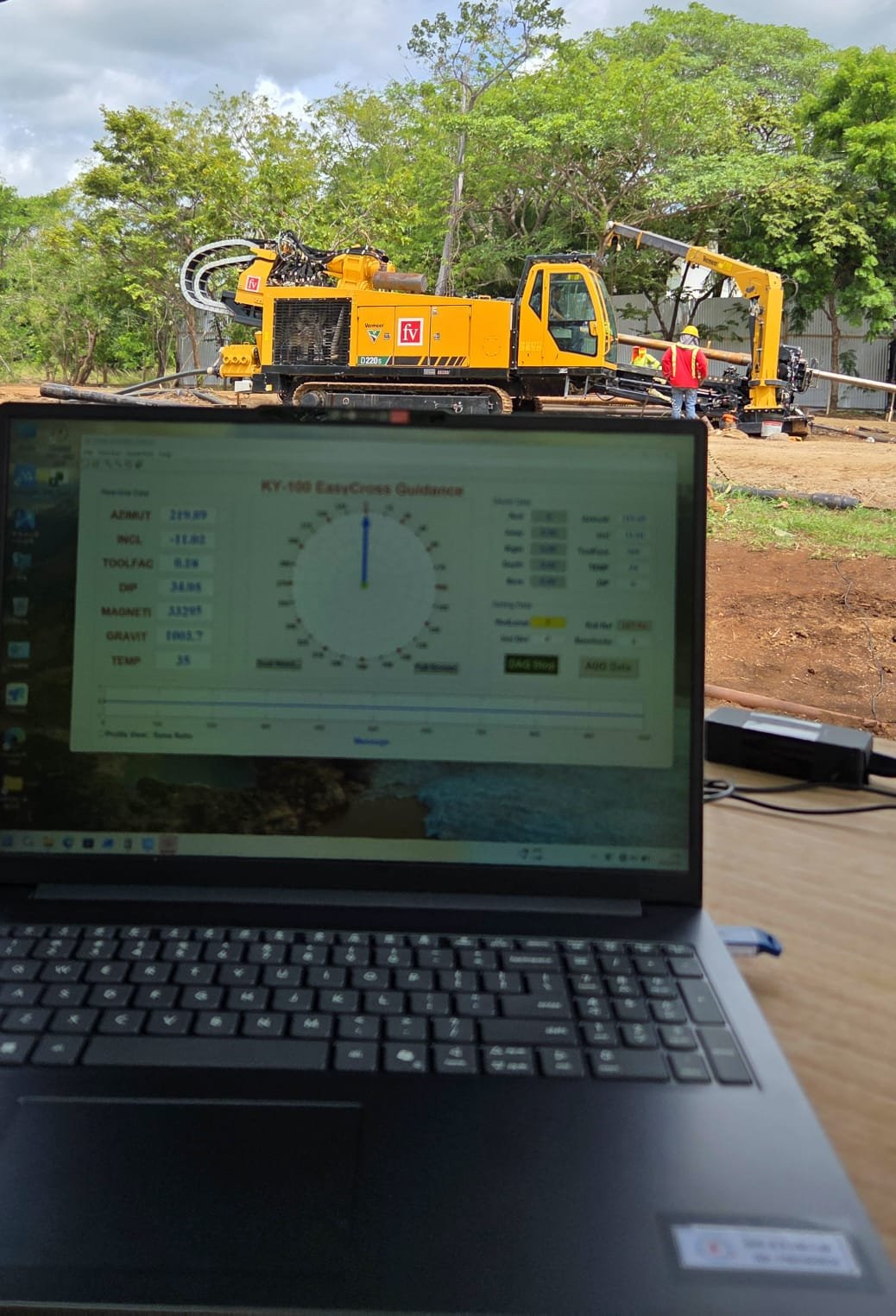
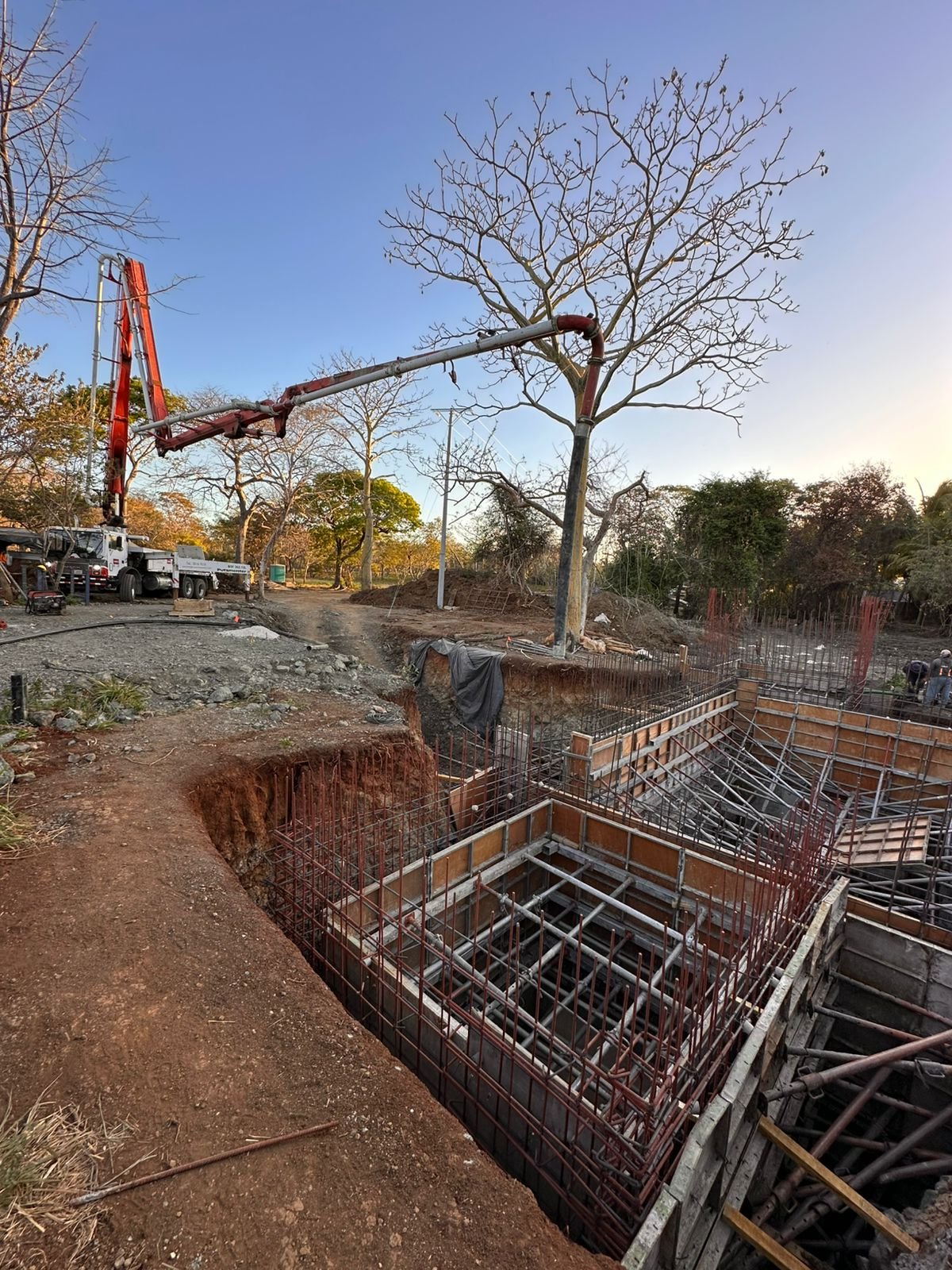
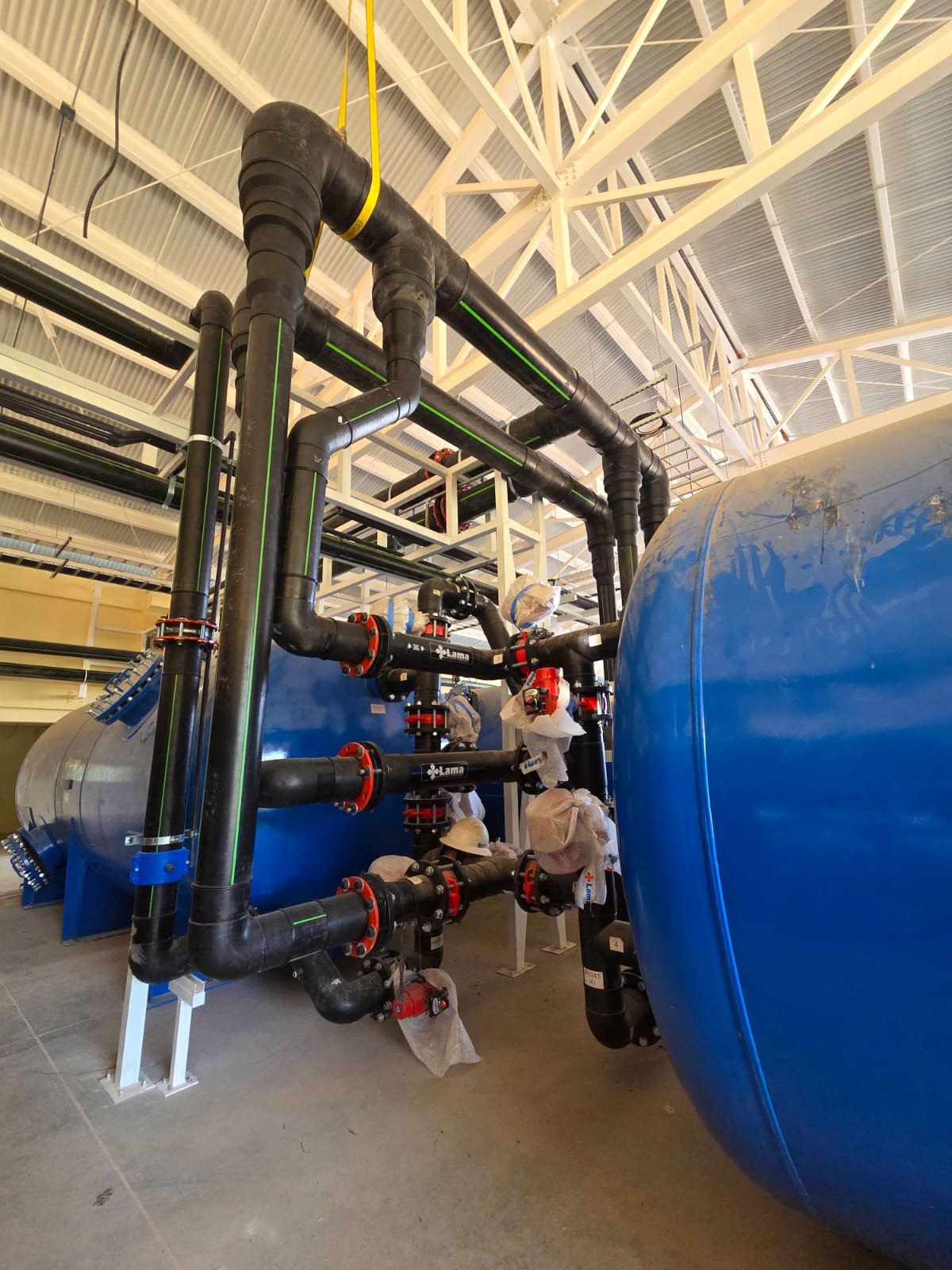
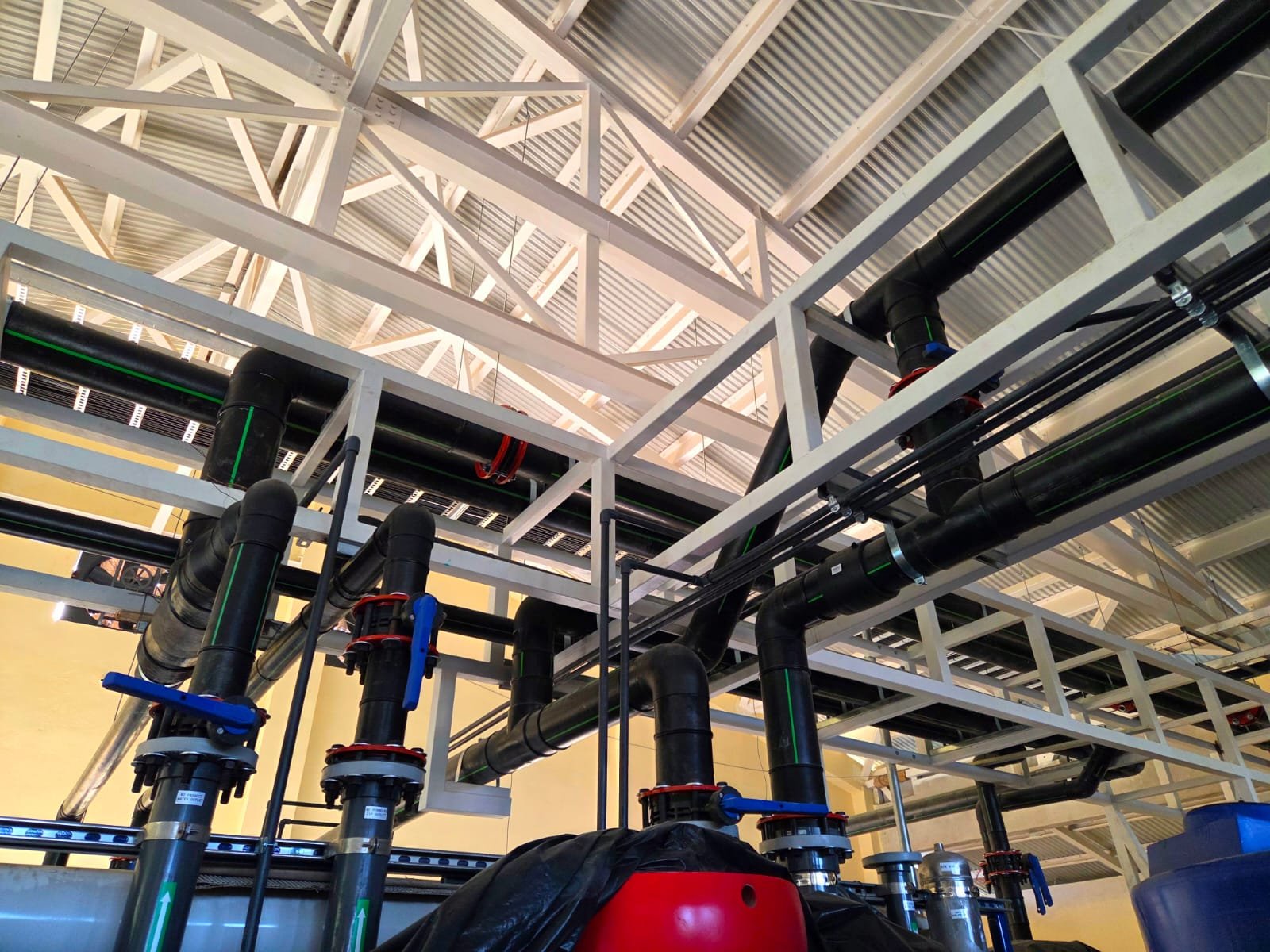
The photographic record documents work in the coastal area, the drilling rig, cutting and guidance tools, and the installation of pipes and equipment inside the plant.
View the Pinilla tank →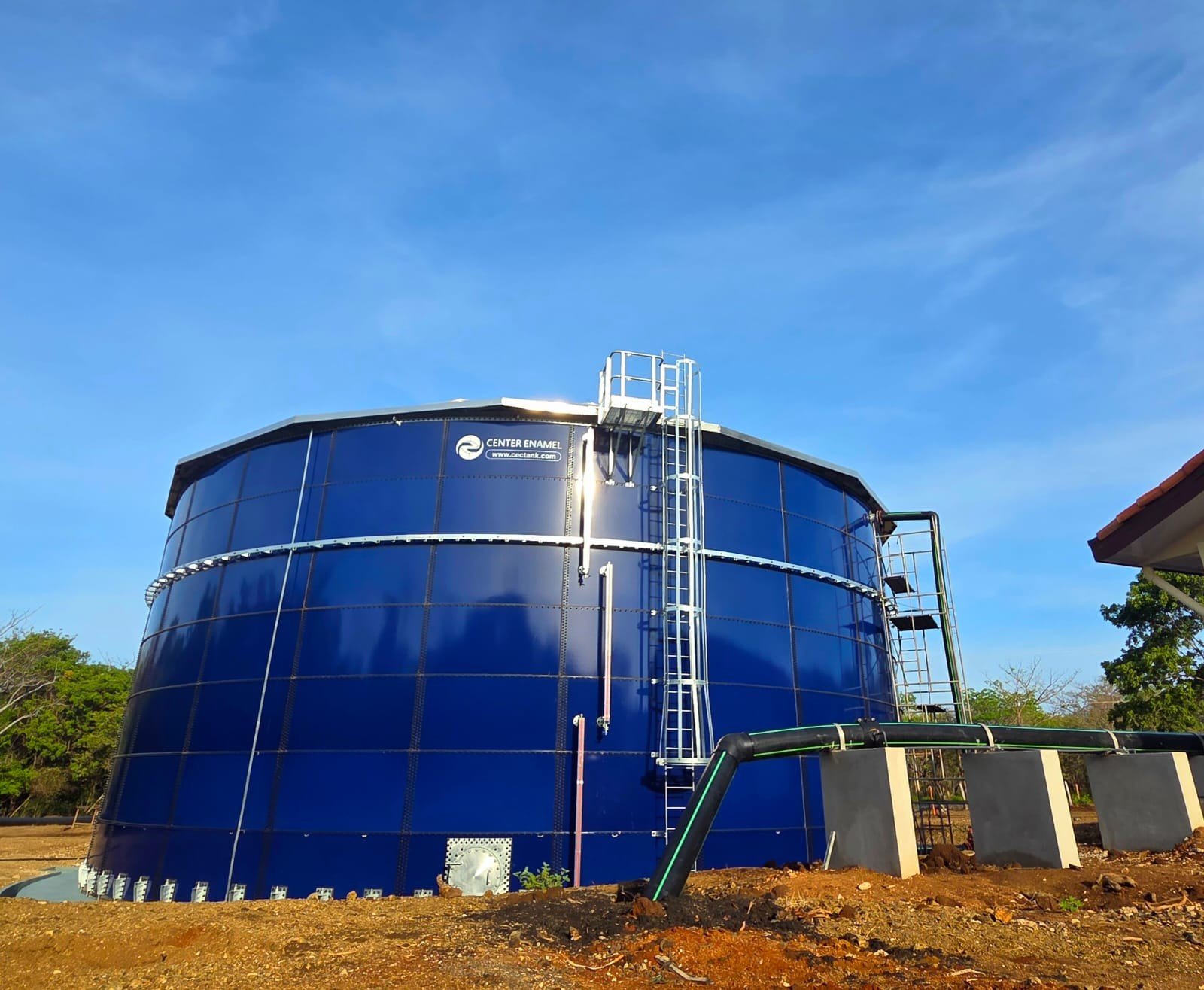
01
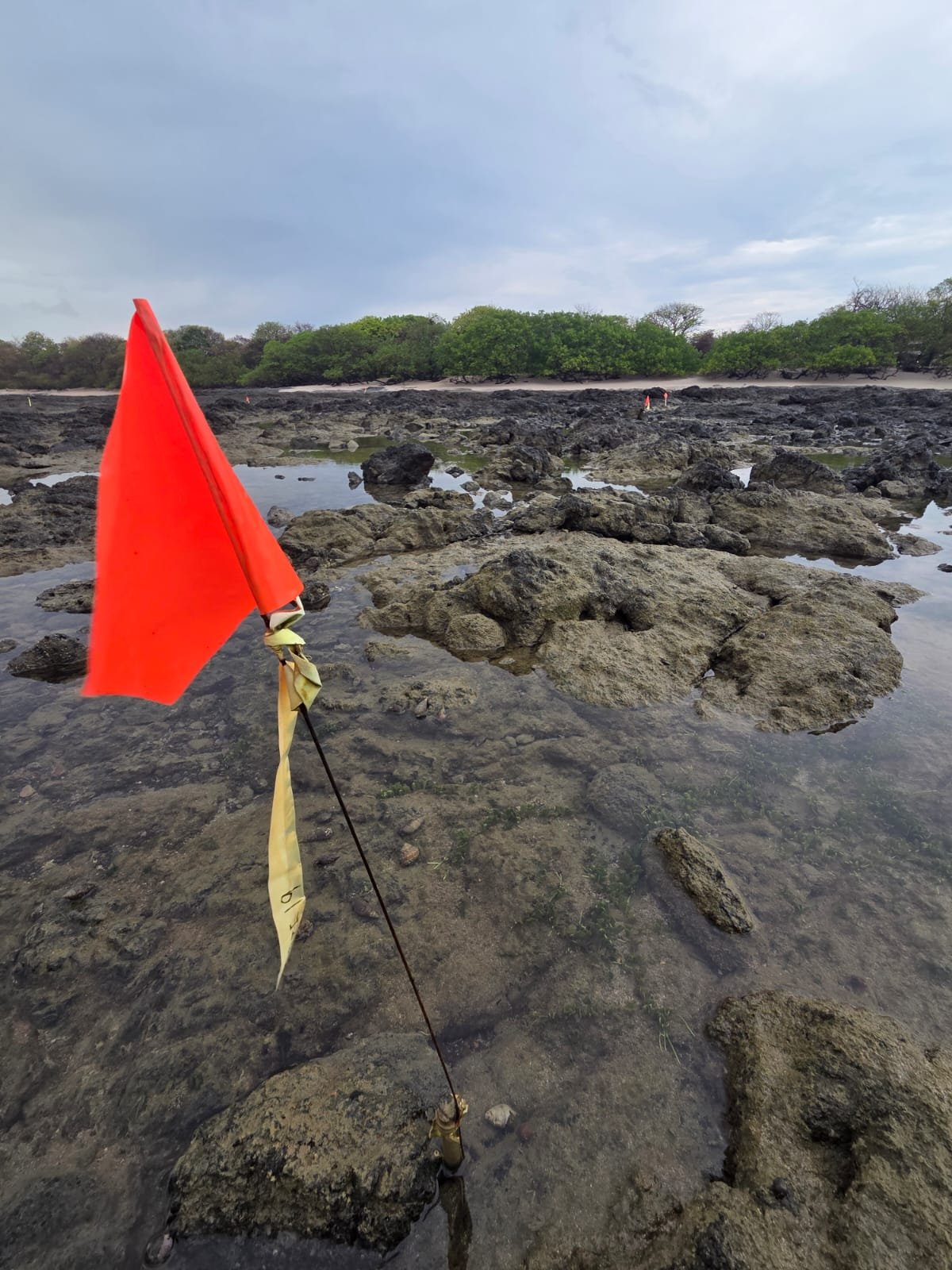
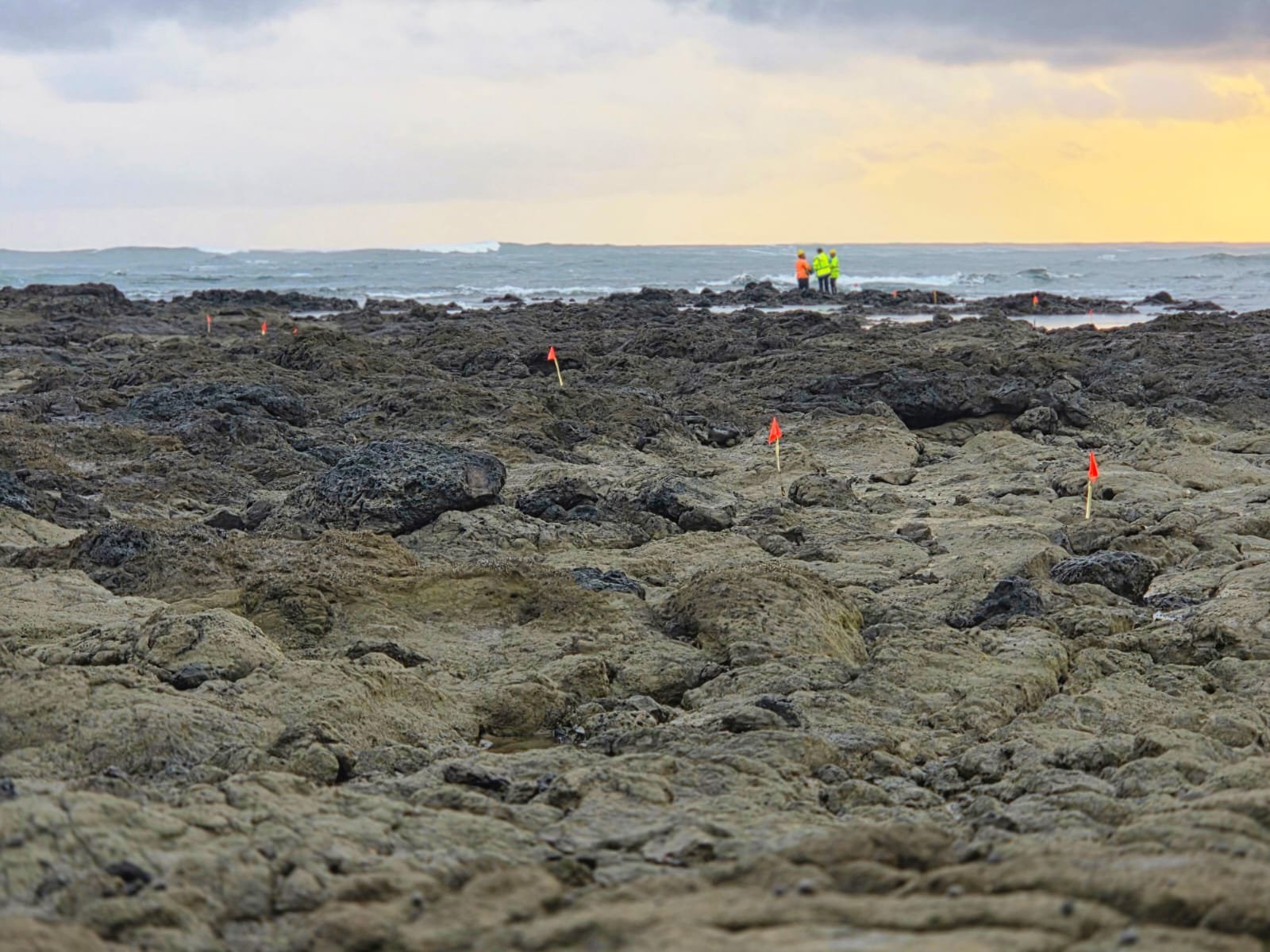
Coastal works
The photographs show the rocky coastal surroundings and reference points used during the project works.
02
Drilling, tools and guidance
The drilling rig, reamers and guidance instrumentation form part of the construction record for the pipelines beneath the seabed. The images show the machinery on site, tool details and drilling monitoring.
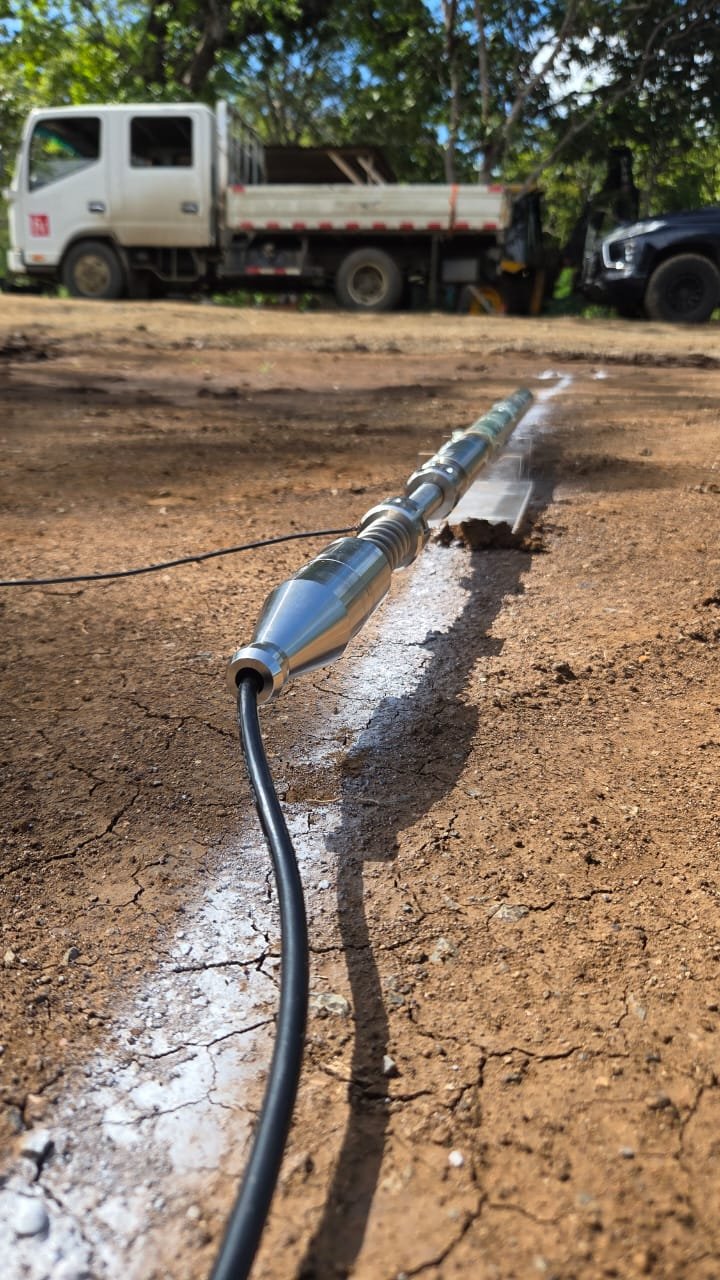
03
Plant construction and installations
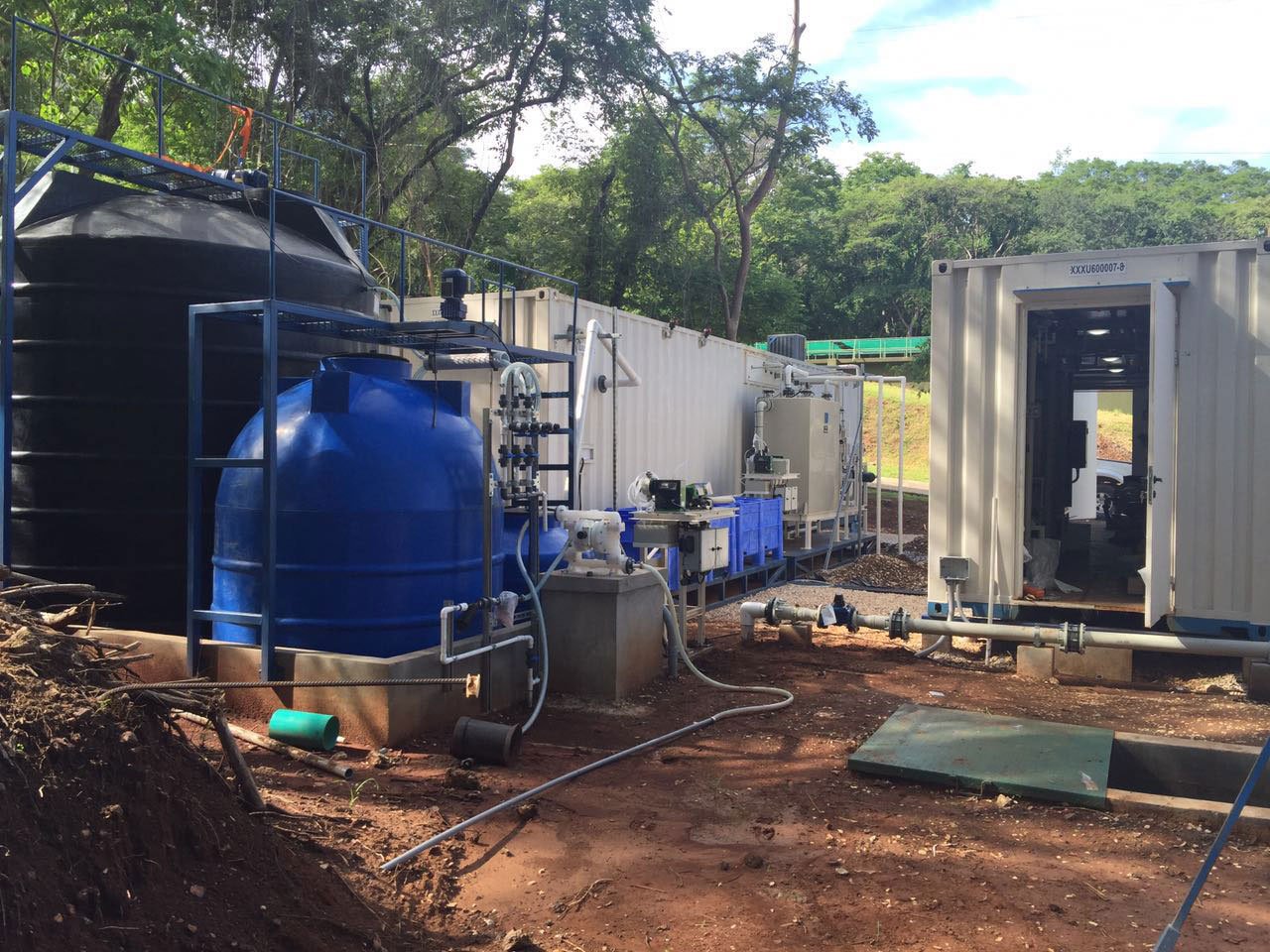
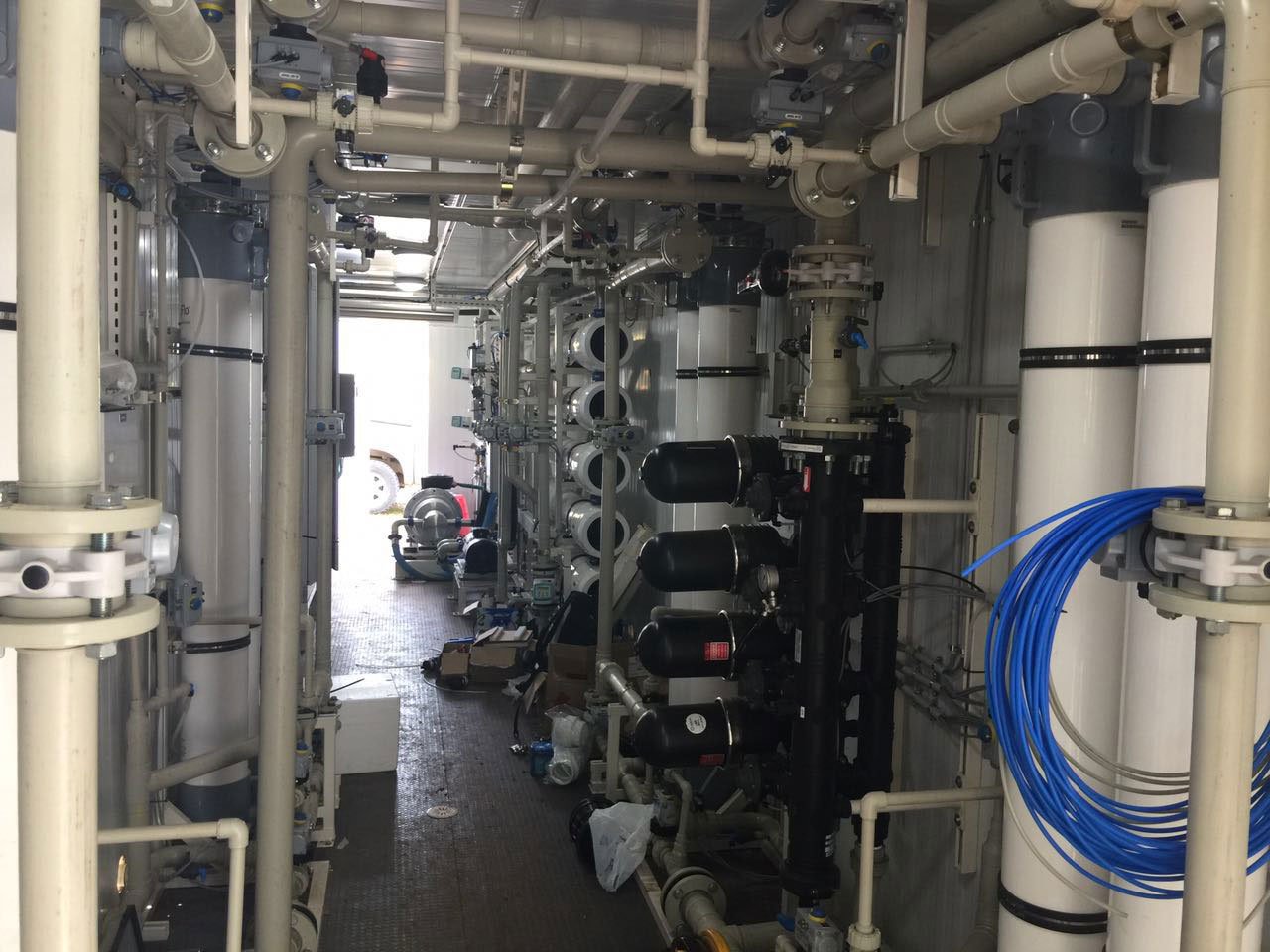
The photographs document construction of the seawater pumping station and installation of treatment equipment, pipes, valves, supports and hydraulic connections inside the plant.
FEATURED PROJECT · GUANACASTE, COSTA RICA
Reserva Conchal: from seawater to drinking water
A water supply solution combining land-based works, marine infrastructure and membrane treatment to serve a tourism and residential development on the Guanacaste coast.
A complementary source for a region with a dry season
The project was developed to strengthen drinking water availability at Reserva Conchal and reduce pressure on local aquifers. In response to seasonal variations in groundwater availability and the drought periods described in the case study, seawater desalination was proposed as a complementary source for the residential and hotel development.
The solution was conceived as a complete system: abstract seawater, convey it to the plant, treat it, deliver the product water to storage tanks and provide a brine discharge pipeline. Construction required coordination between installations on land and at sea.
Fernández Vaglio’s contribution
Fernández Vaglio participated in infrastructure associated with the desalination plant, including horizontal directional drilling for the seawater intake connection. This work connects our trenchless pipe installation experience with the requirements of a coastal water supply system.
THE PROJECT AT A GLANCE
From the sea to the plant: system overview
The illustration shows the connection between the seawater intake, the well and pumping station, and the desalination plant.
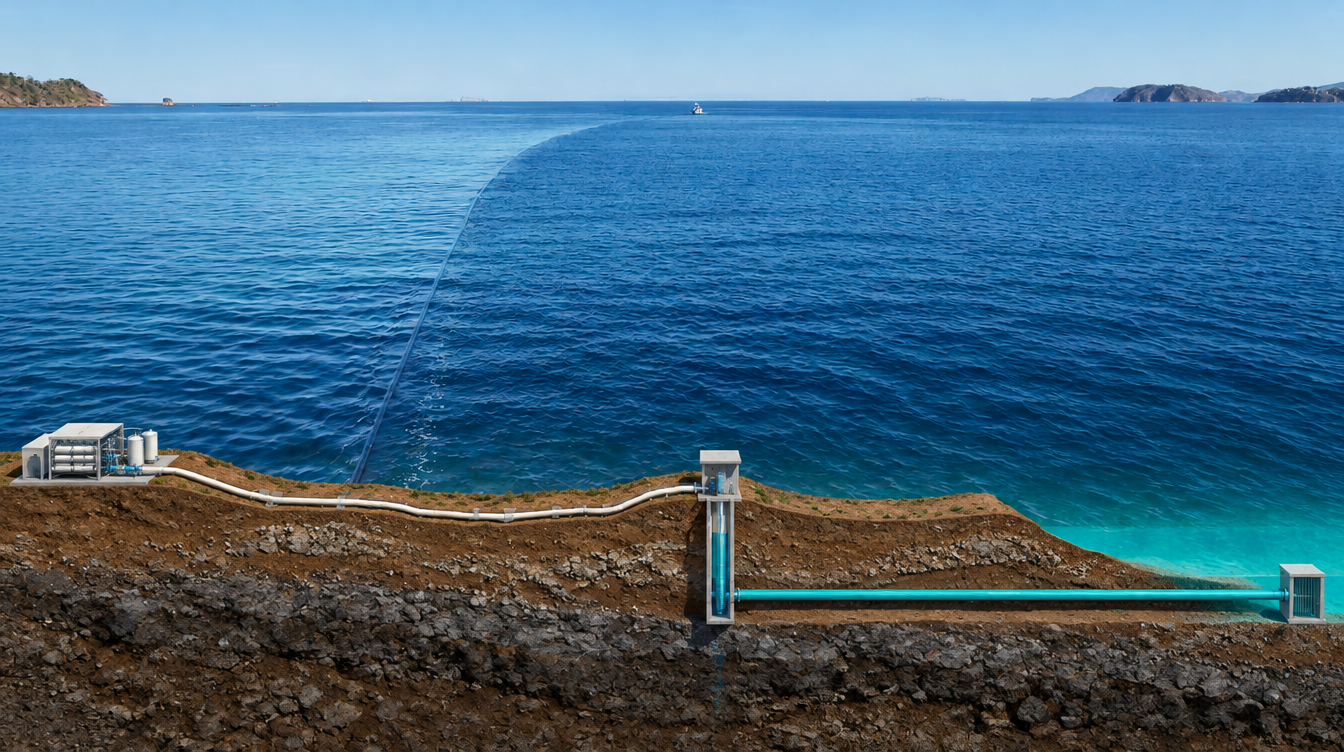
Desalination plant
Left · Seawater treatment to produce drinking water.
Well and pumping station
Centre · Collection of intake water and pumping to the plant.
Seawater intake
Right · Intake point connected to the well by the pipeline.
01
Land-based works and the connection to the sea
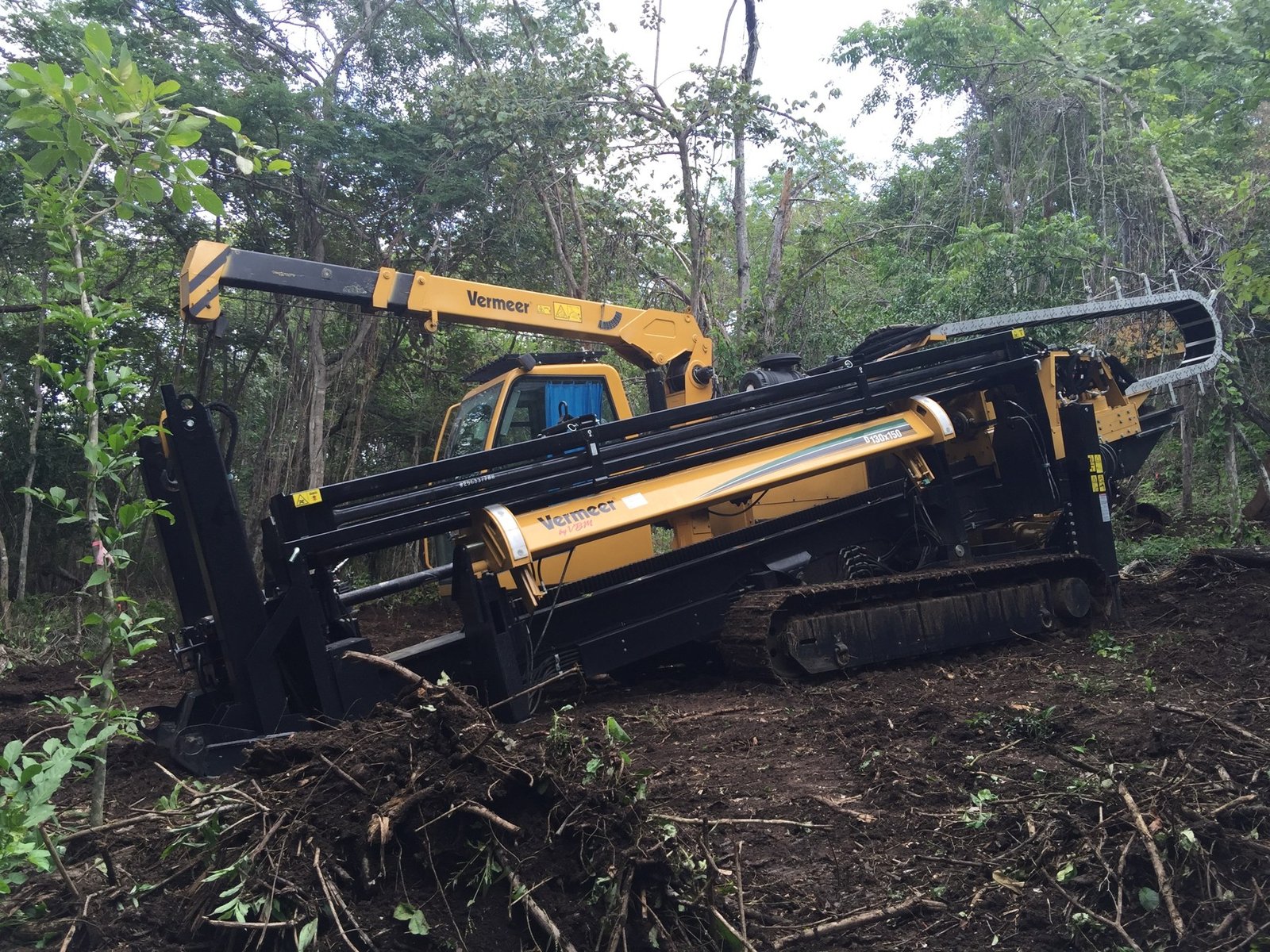
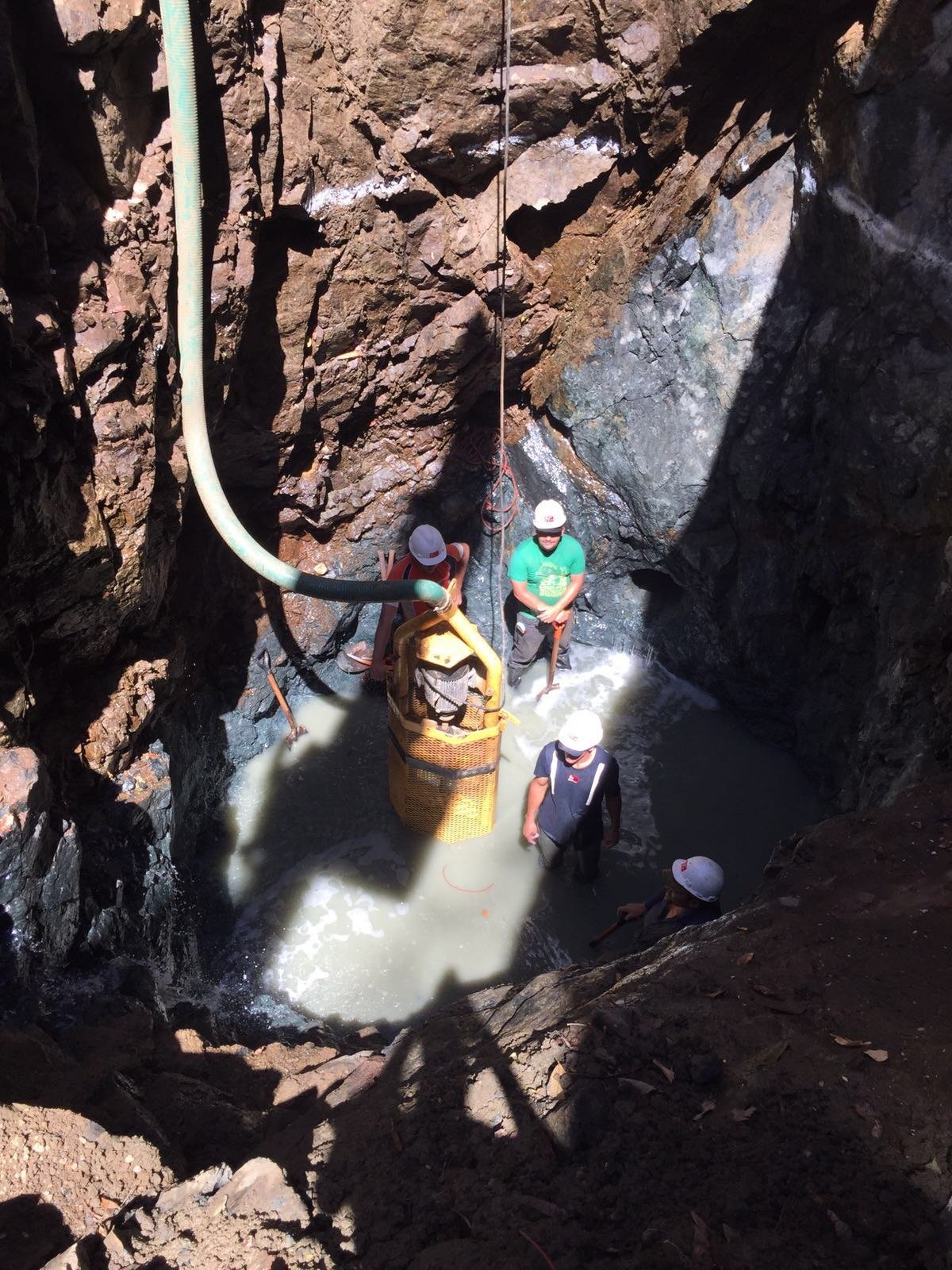
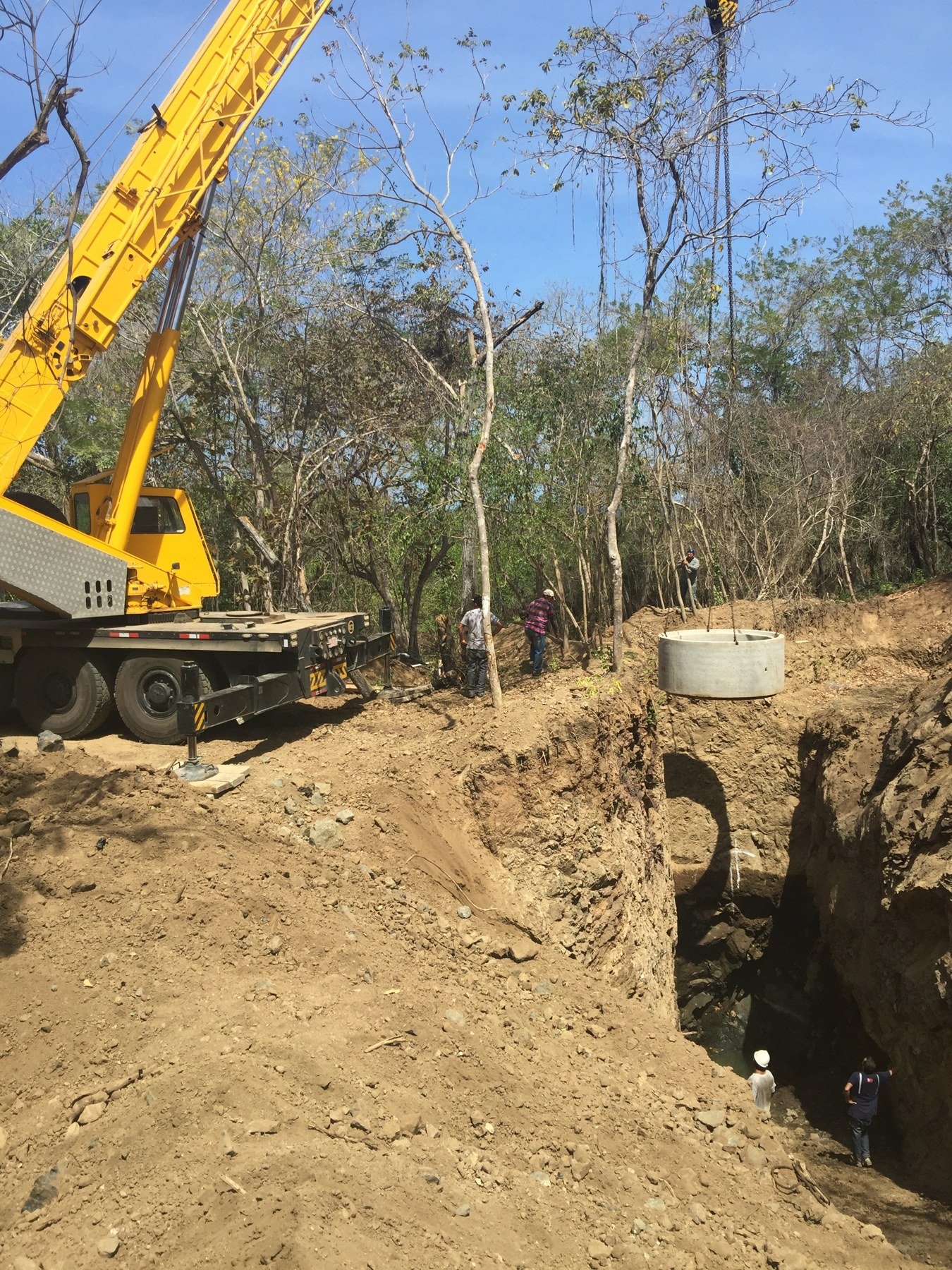
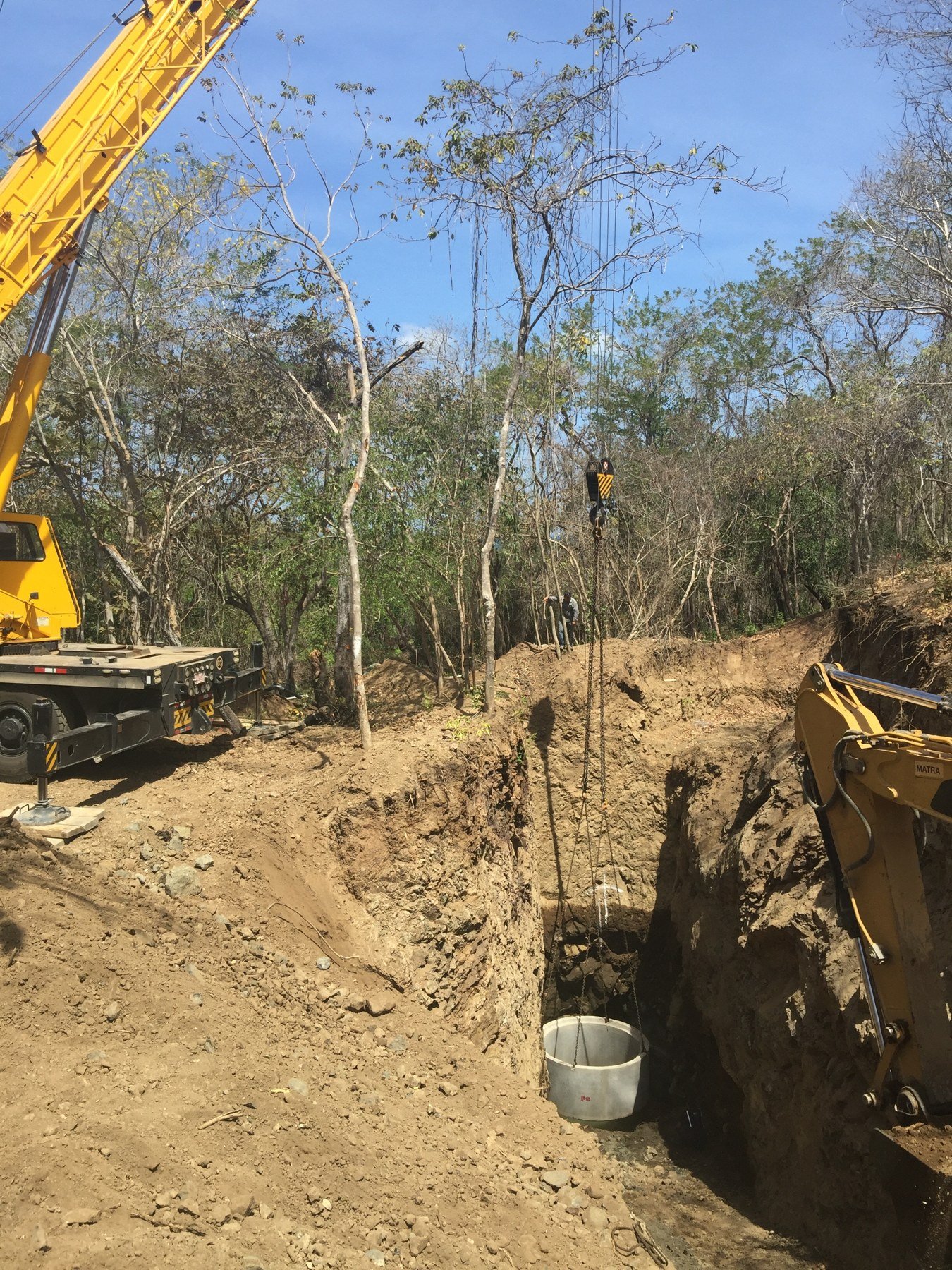
The photographs document the mobilization of drilling equipment, excavation in rocky ground, water handling during construction and placement of precast elements. These are stages in the infrastructure connecting the marine intake to the onshore system.
02
Marine installation and underwater pipelines
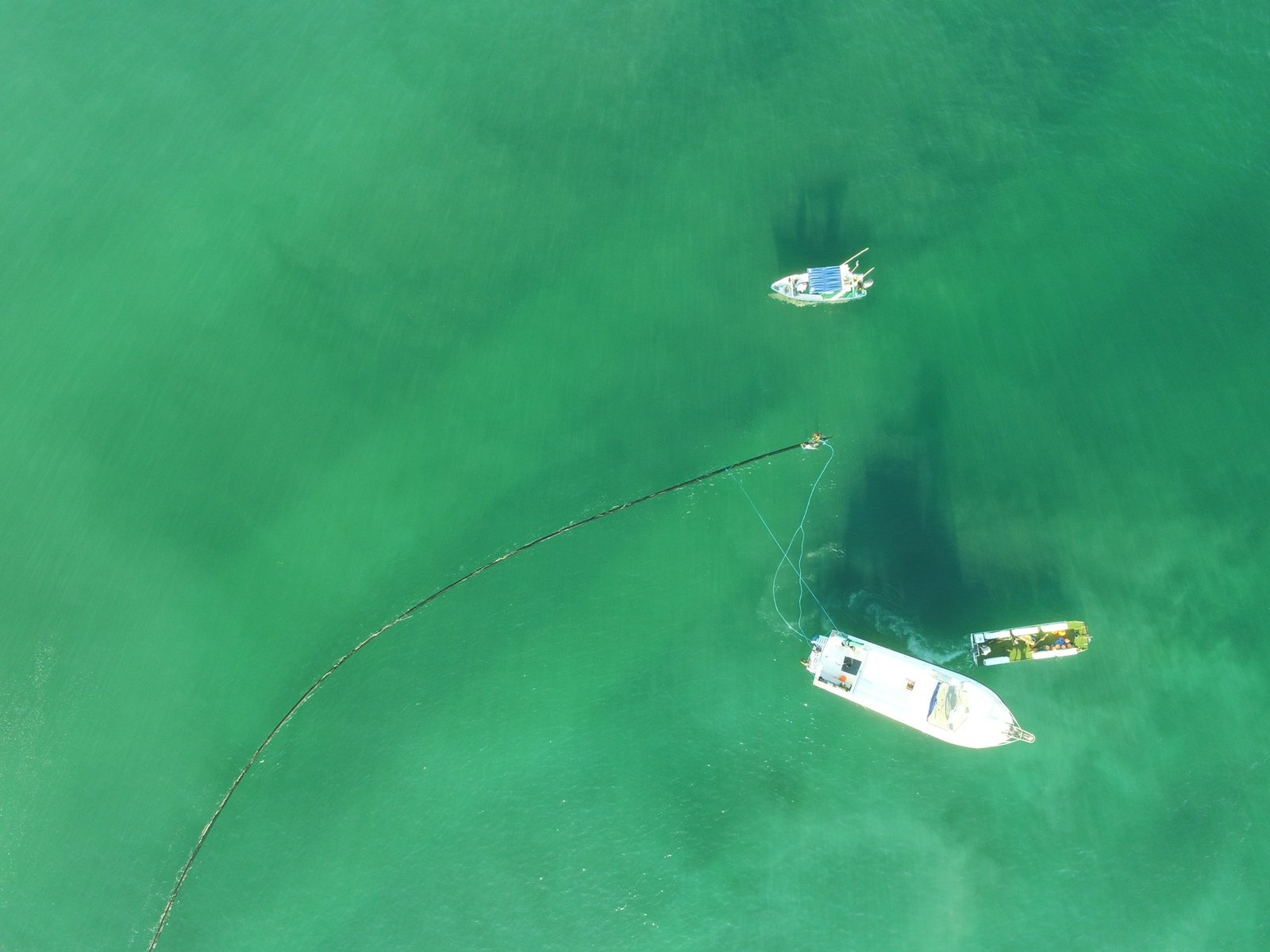
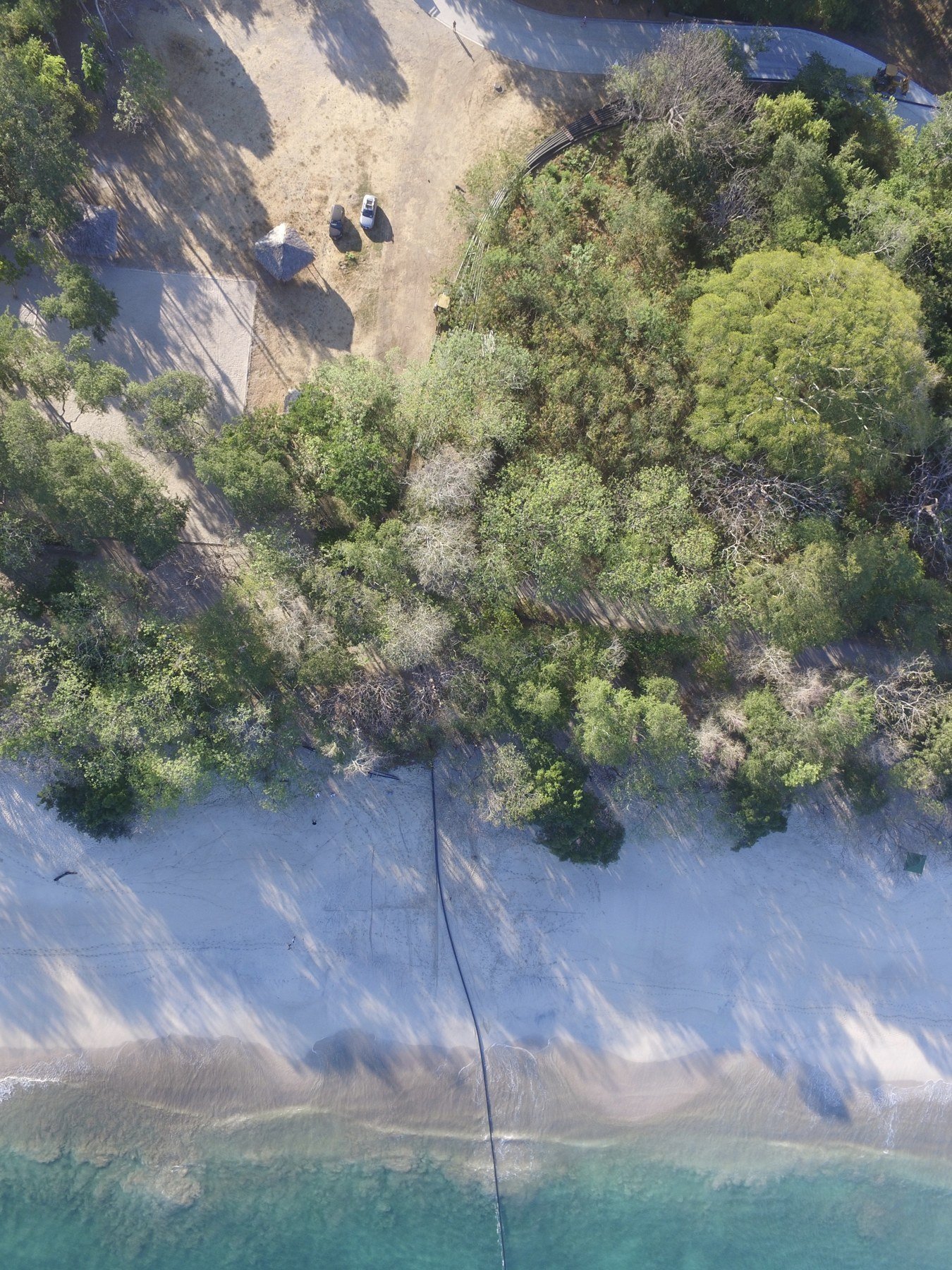
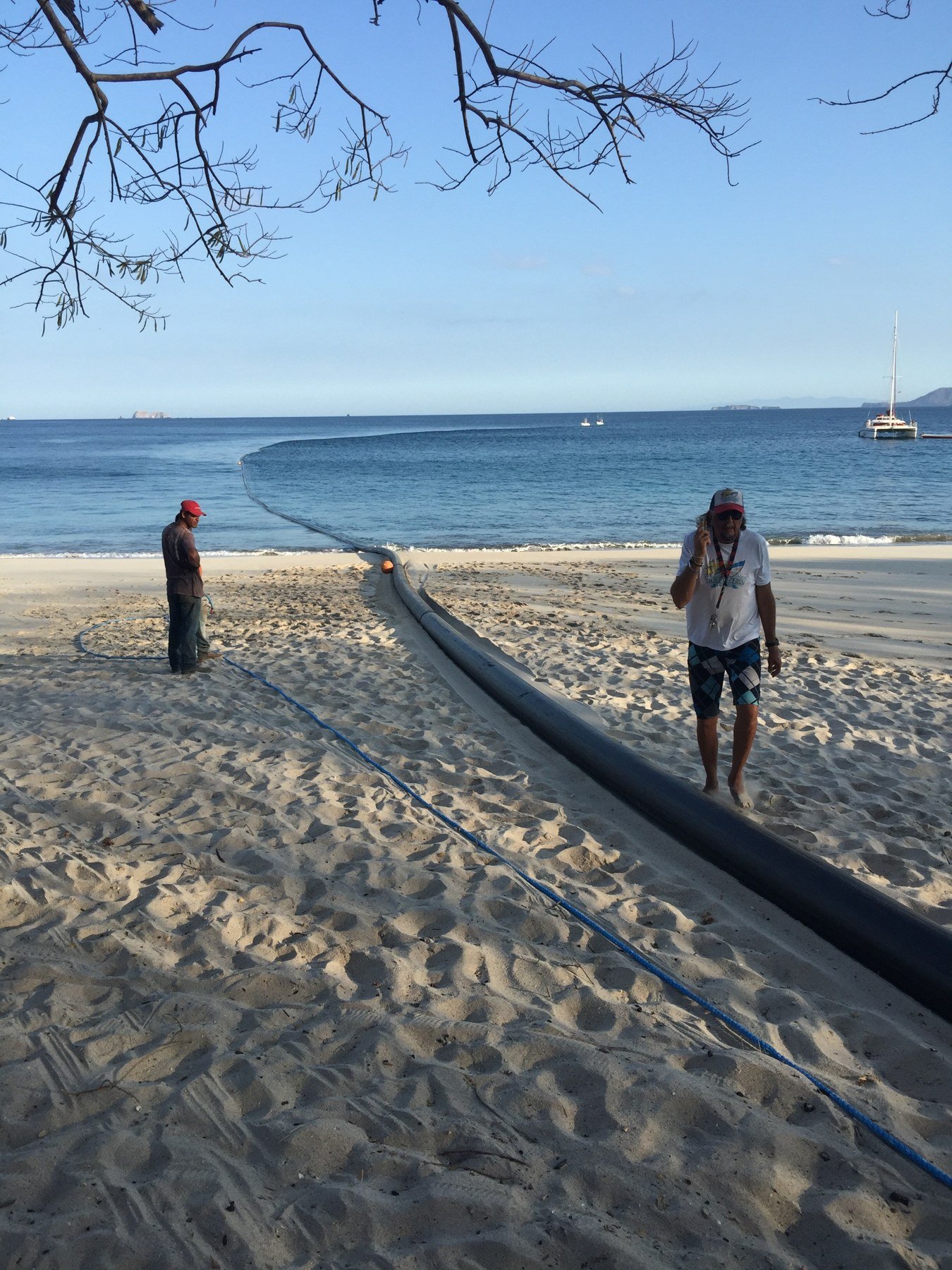
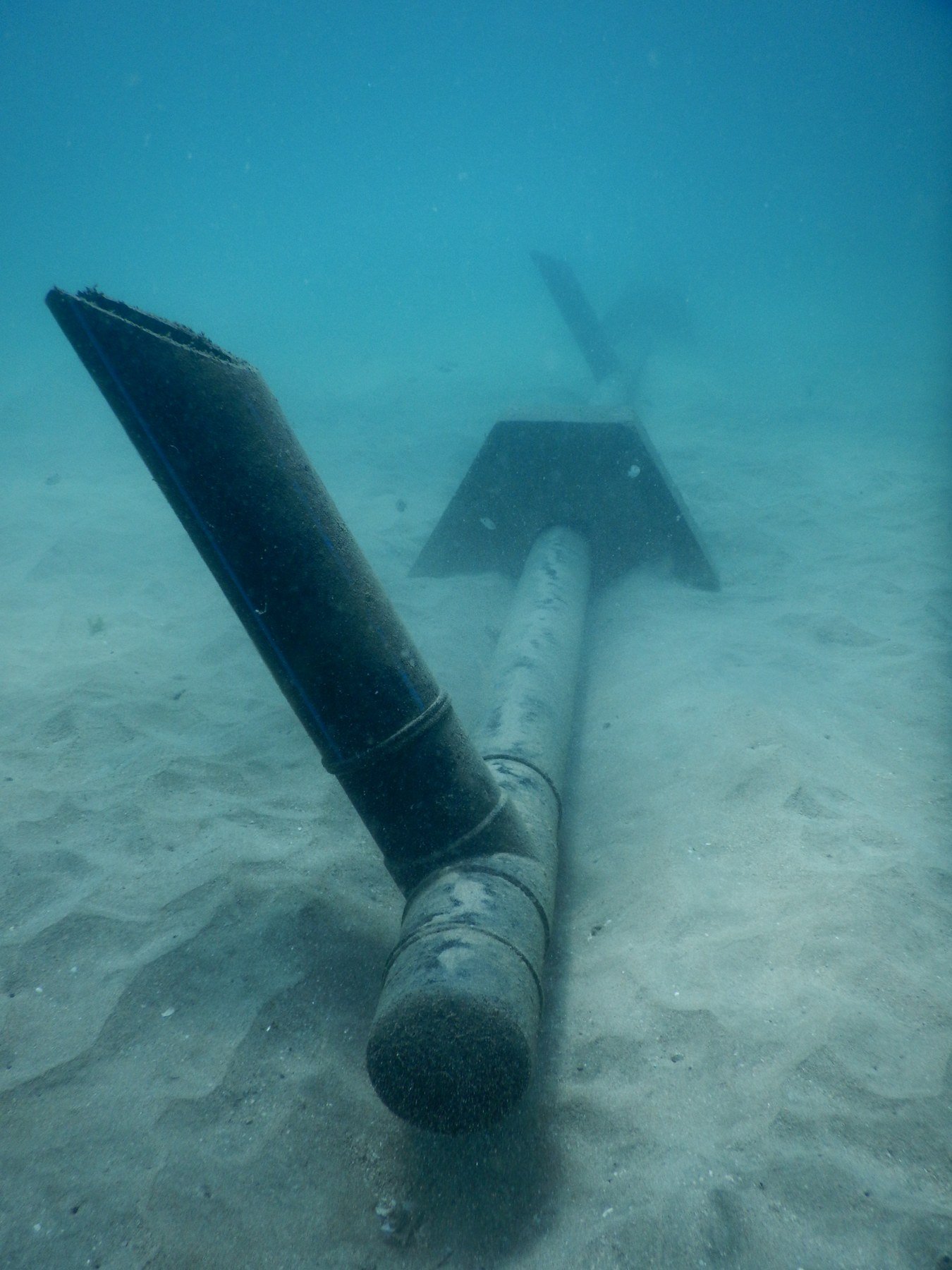
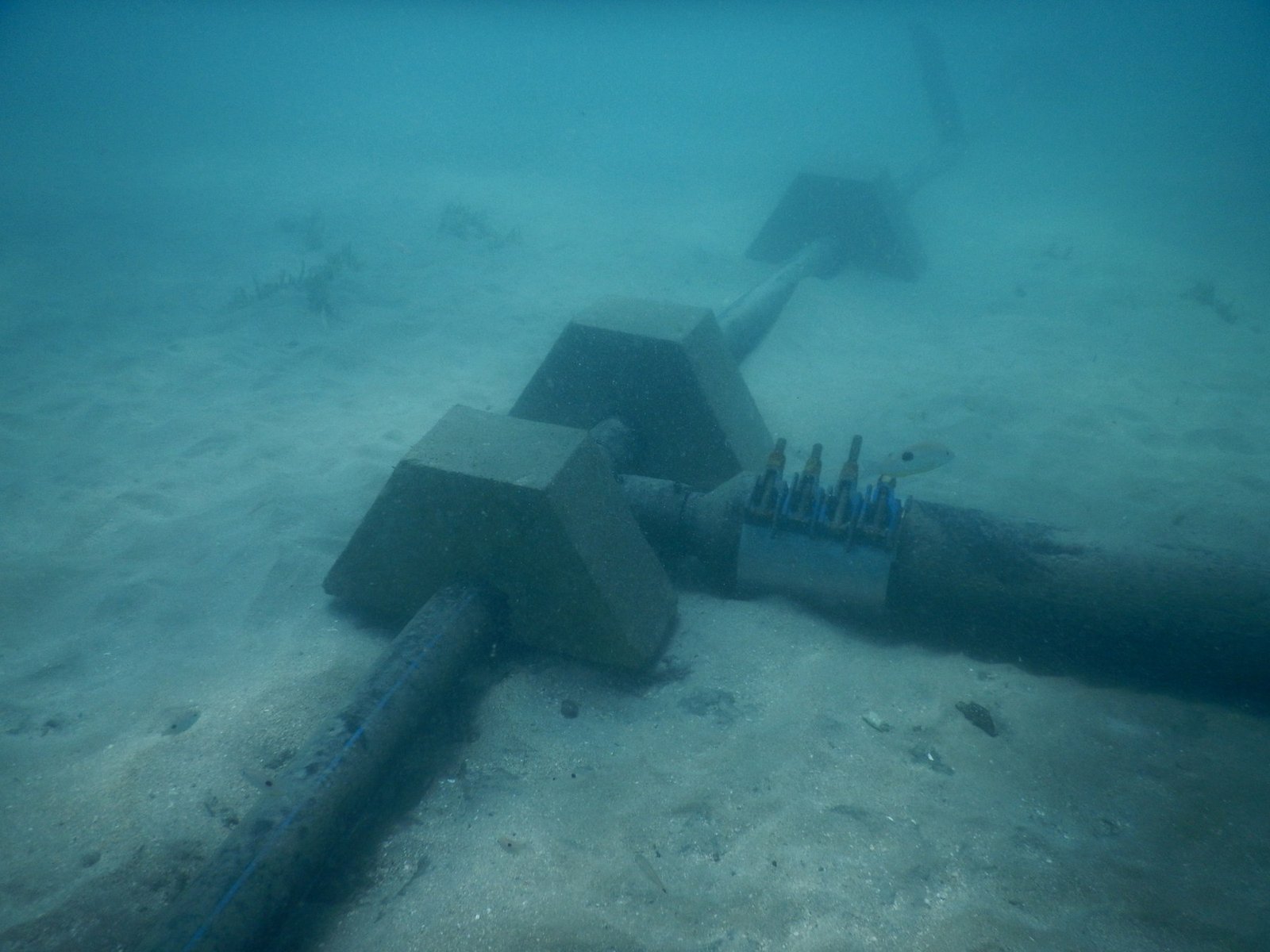
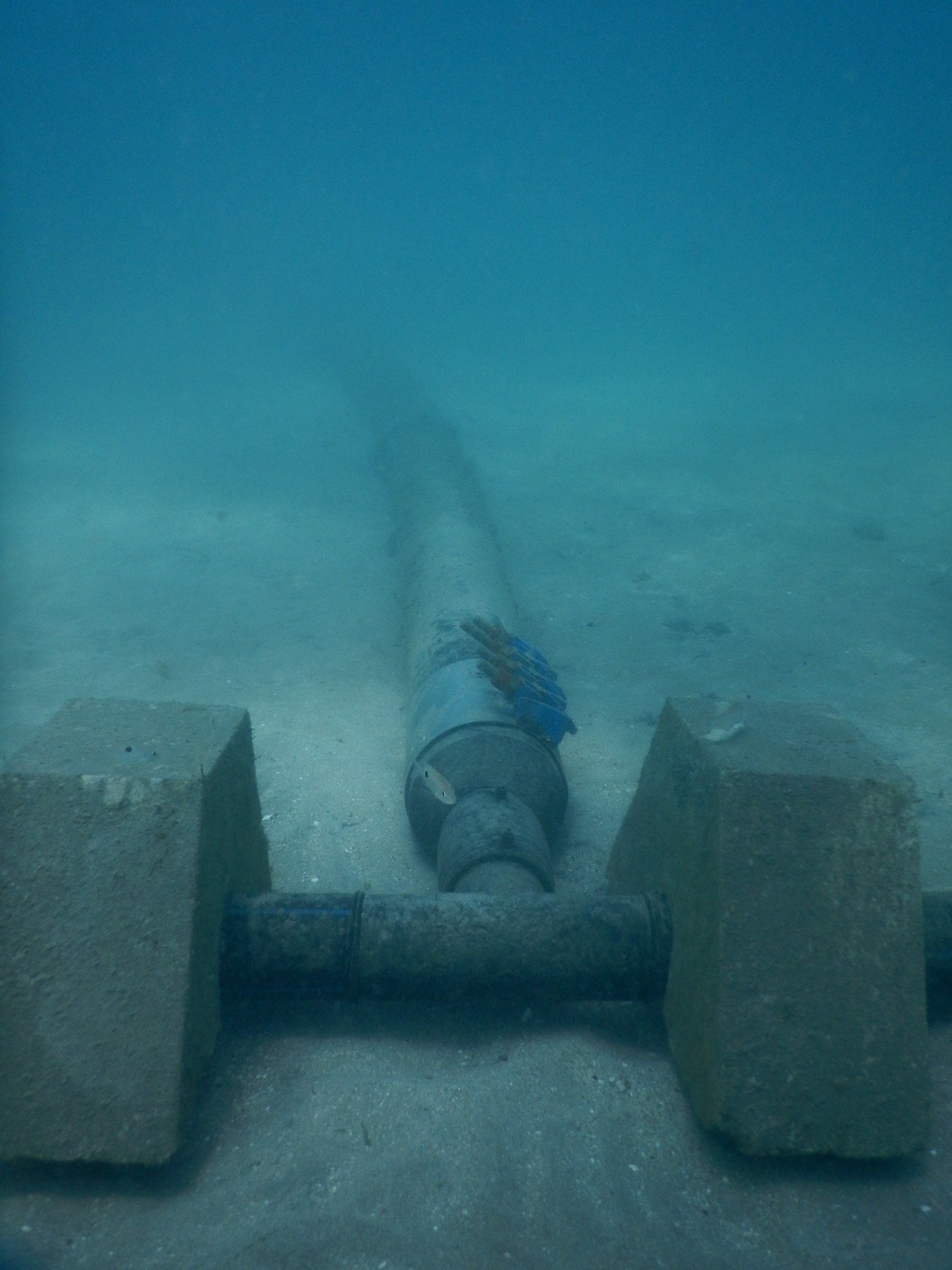
Aerial and beach photographs show pipe handling supported by boats and personnel on shore. Underwater photographs reveal the pipelines, joints and ballast elements on the seabed. The project layout includes separate lines for seawater intake and brine discharge.
03
Modular treatment: three stages to produce drinking water
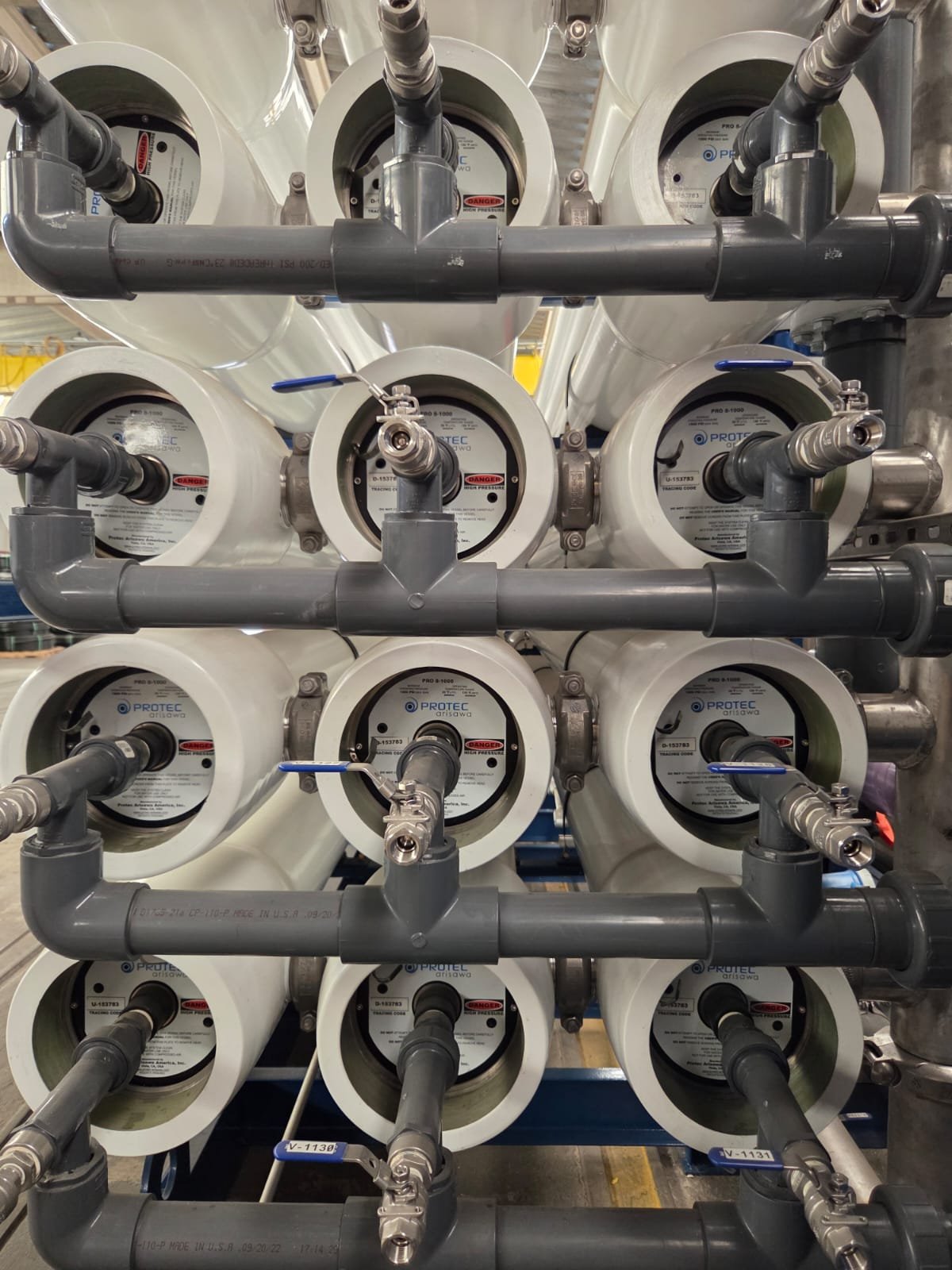
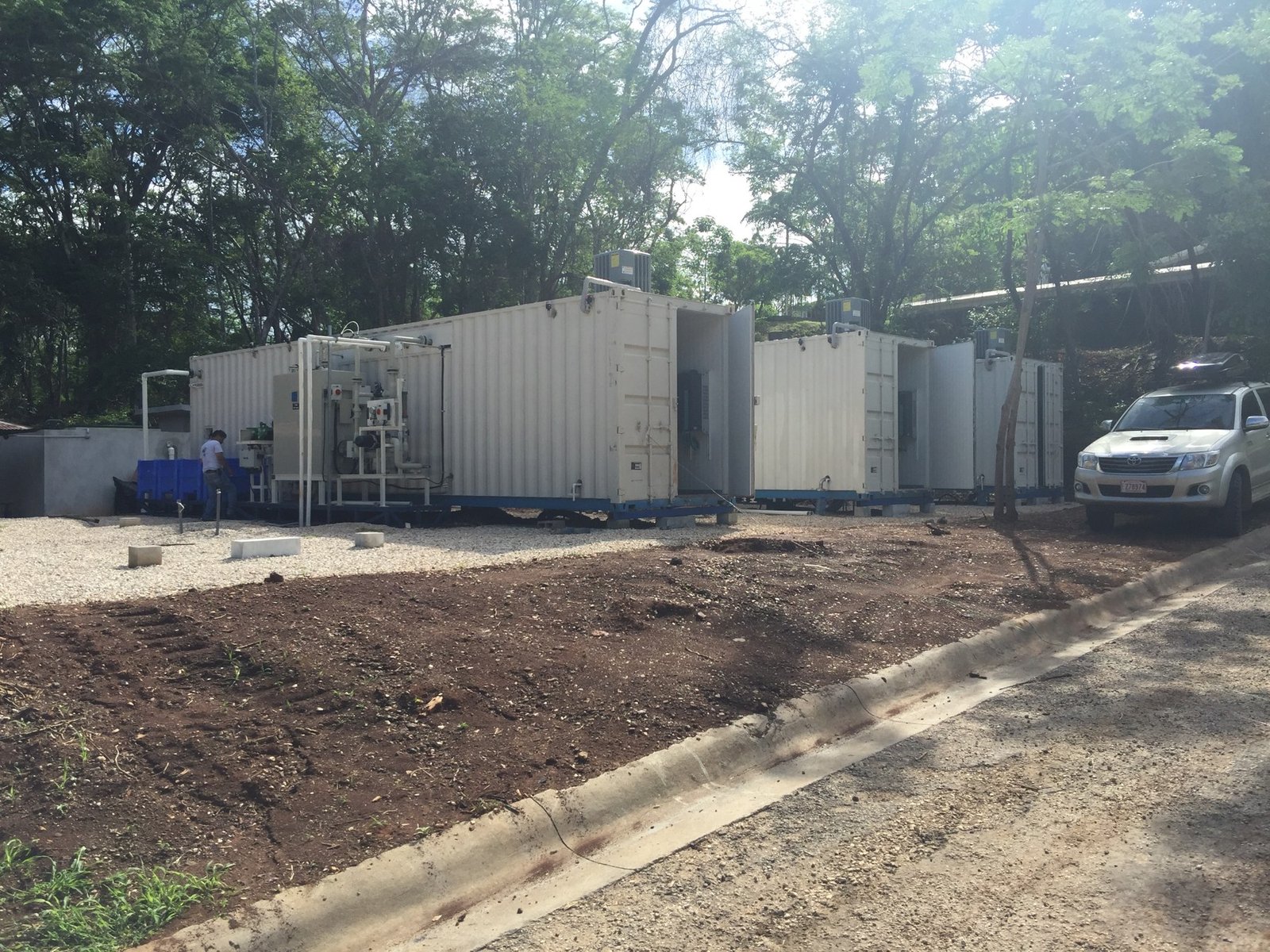
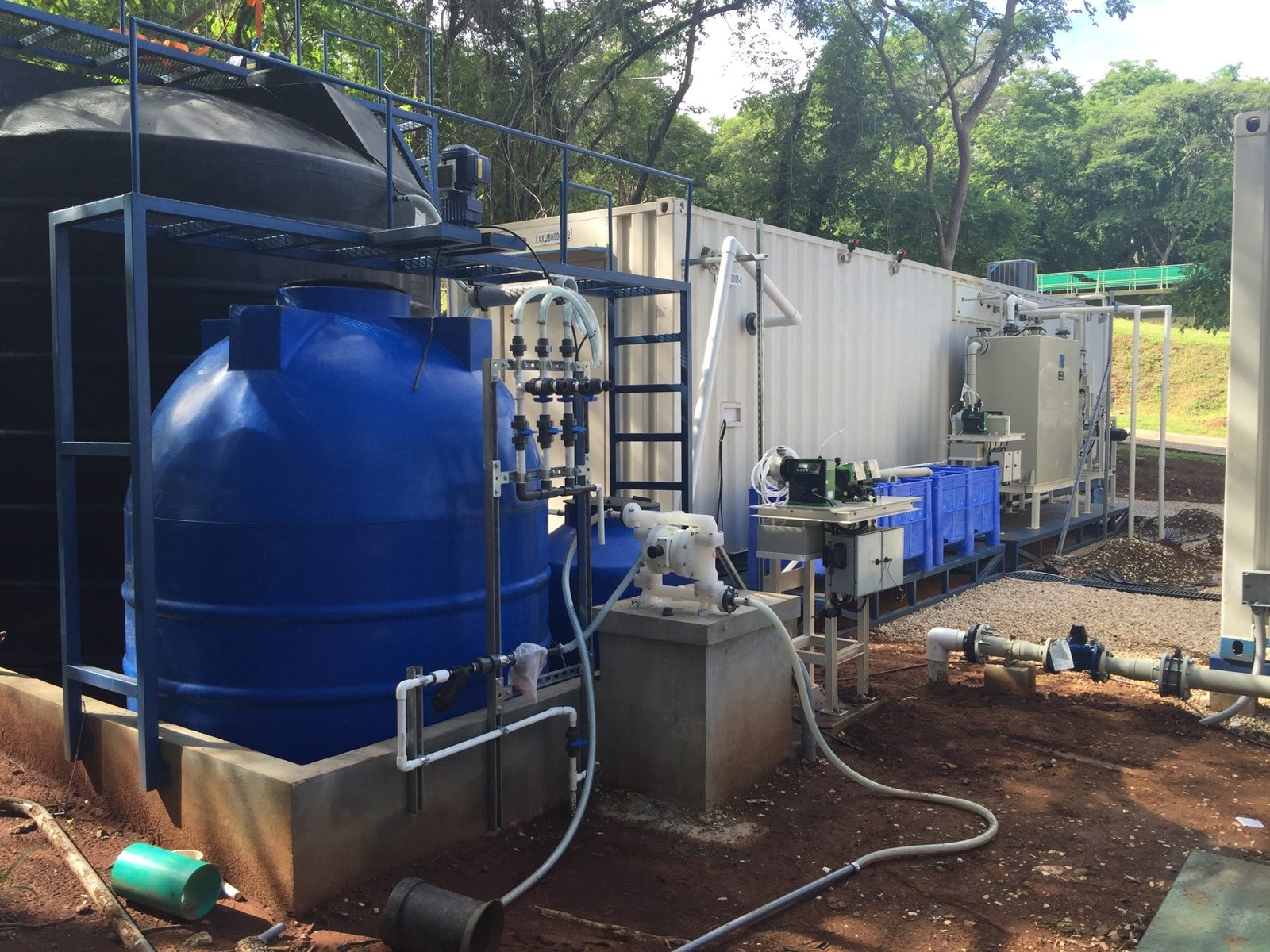
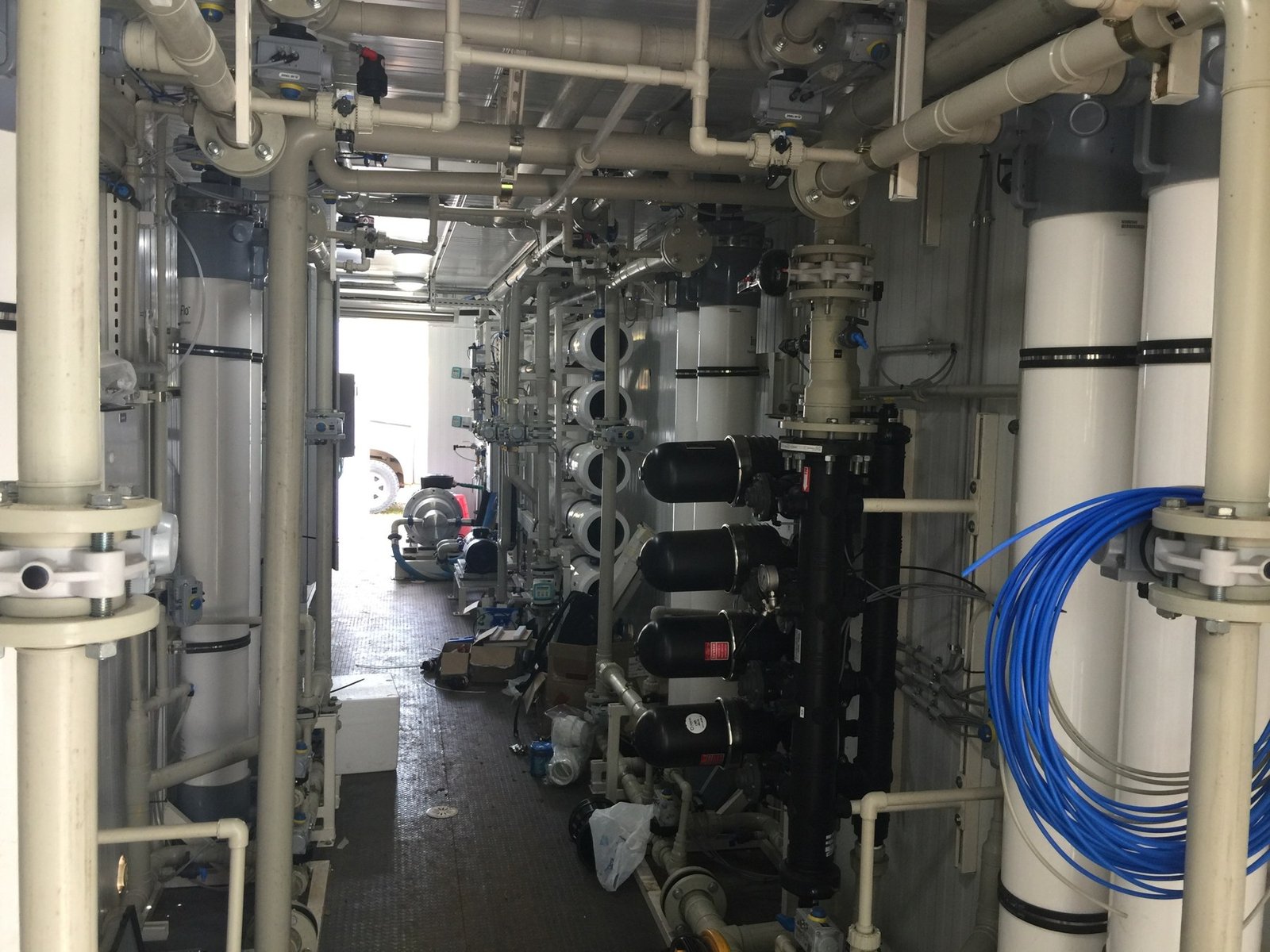
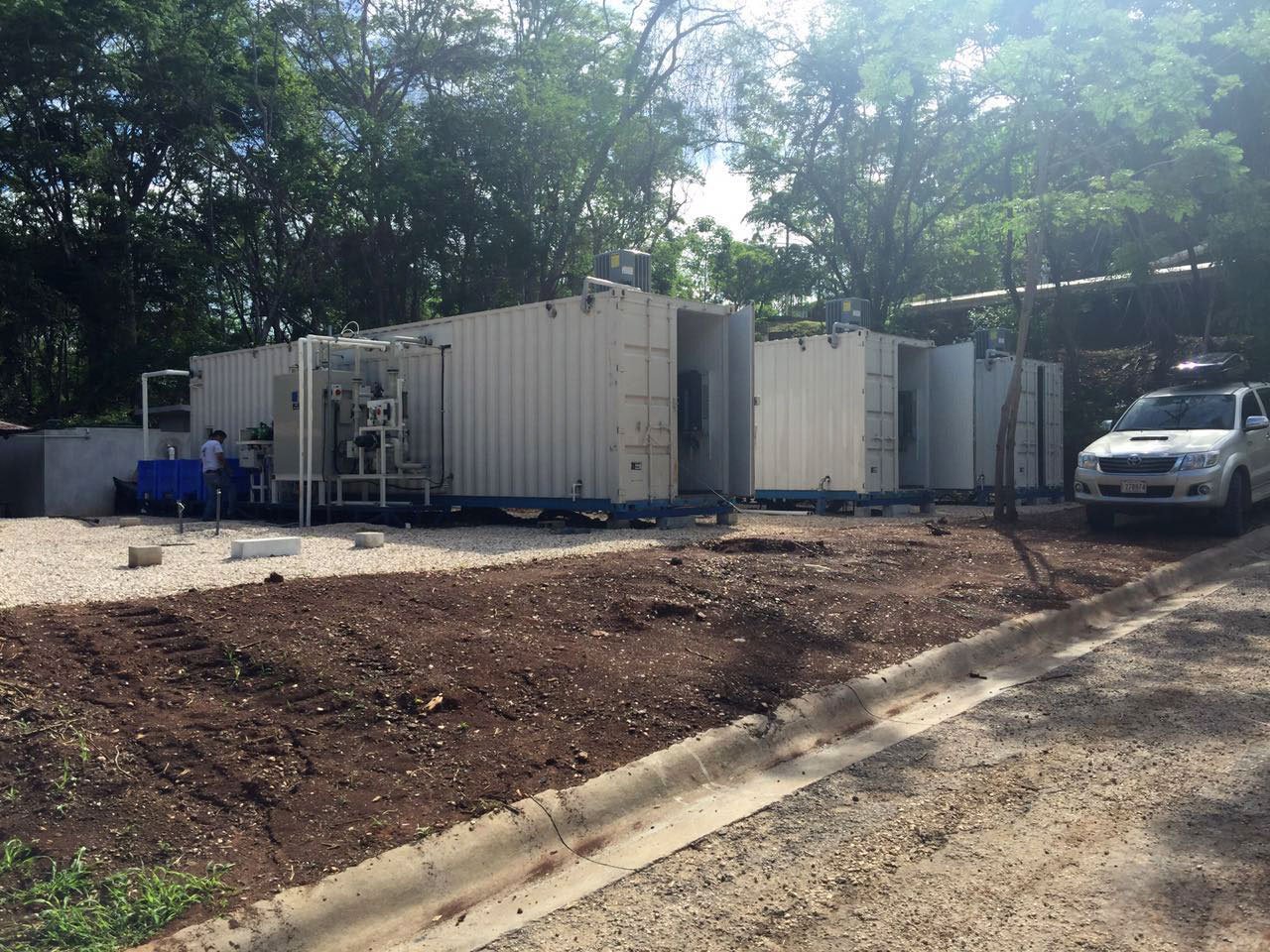
The technical data sheet describes three NIROBOX SWM modules rated at 500 m³/day each, for a total design capacity of 1,500 m³/day. The process combines ultrafiltration pretreatment, reverse osmosis to reduce dissolved salts and remineralization to condition the product water before delivery to the storage system.
Engineering that connects intake, construction and treatment
Conchal illustrates the importance of integrating every component of a water supply system: marine infrastructure, onshore connections, pumping and desalination. The project aimed to expand drinking water supply options and help reduce reliance on local aquifers, particularly during periods of lower availability.
Design data from the RWL Water case study, February 2017, which identifies RWL Water and DEINSA as the project developers. The stated capacities are those in that technical data sheet and do not represent measured current production. Project archive photographs provided by Fernández Vaglio.
Beyond the plant
Intake and conveyance pipelines, pumping equipment and storage works must be coordinated with the treatment system. We assess the construction scope within the conditions of each project.
Our experience in photographs
Let's discuss your project
Head office in Costa Rica. Presence in Panama and El Salvador.
Request information →